The classification of products or services needs deep domain/industry knowledge and contextual awareness of the business.
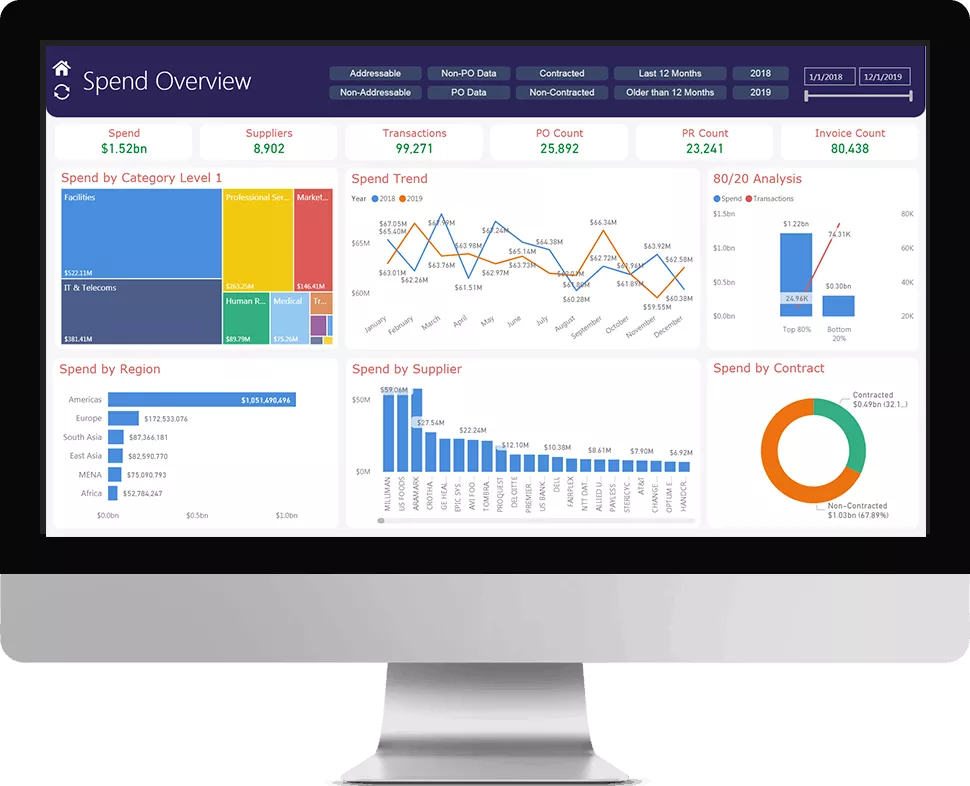
When we talk about Savings Management in Supply Chain, you may be thinking about some complex data analysis tools, methods, visualization or even insights. No. In this article, we are talking about something even more fundamental, the classification of products or services which sets the foundation for supply chain visibility.
Even though, the lack of it or its inconsistency can impact many strategic decisions of the business; the classification approach and methodology of products and services is often considered least priority and/or left to an analyst. This video (Source – YouTube) – which is a bit of a humorous take on this problem, shows how it can have a far-reaching impact even up to your customers (internal or external).
Sounds like a data job, but the classification of products or services needs deep domain/industry knowledge and contextual awareness of the business. Most of the supply chain organizations have no or limited classification structure, often leaning on the finance-based general ledger accounting codes for decision making. The problem is even more aggravated in organizations with business units working in silos, lack of supply chain visibility and Savings Management limits procurement and supply chain leaders’ ability to take a holistic view in framing strategies and taking decisions.
What is the impact of effective product and service classification on supply chain and procurement?
On the other hand, a well thought through and structured products and services classification can have a transformative impact on procurement and supply chain. From strategic areas to the operational ones, the products or services classification drives supply chain visibility. Some classic examples are the implementation of category management, ability to automate recurring purchases through catalogs, item master creation, and inventory control, price variance avoidance through item standardization, identification of tail spend products and services and last but not the least, ability to maintain clean, reusable data, all the time.
Read More:- What is Procurement and How To Optimize Processes, Performance, and Technology?
That said, with complex organizational structures and a large amount of data generated day in day out, we understand the challenges organizations face in achieving an organization-wide classification structure and coverage. With right tools and technology and deep knowledge of procurement & supply chain; Simfoni has built a robust, technology-driven approach that helps our clients solve this complex problem and set the strong foundation of clean and classified data for ultimate supply chain visibility.
Contact us today to know more about how Simfoni’s technology and processes can help your organization achieve world-class supply chain visibility