Procurement Management Guide: Definition, Benefits & How It Works
Comprehensive Guide to Procurement Management by Simfoni’s Procurement Professionals
Procurement management is the process of overseeing and administering all methods involved in acquiring materials, products, goods, and services essential for a business's efficient operations. This comprehensive approach helps organizations reduce costs, boost productivity, and ensure transparency from initial purchase requests through payment. Effective procurement management also plays a vital role in managing external vendor relationships, ensuring compliance with contract terms, and achieving project goals. By strategically managing acquisitions, businesses can gain a competitive advantage, avoid errors and delays, and maximize resource utilization across all industries.
Table of Contents
Introduction to Procurement Management
Procurement Management ensures that all materials, products, goods, and services are properly acquired so that projects and processes can proceed efficiently and successfully to positively impact the bottom line and strategic business operations.
Simfoni.com Tweet
The word procurement implies a simple transaction involving a buyer and seller. However, the process of acquiring goods and services tends to be complex and requires execution on several platforms.
With procurement management, organizations can reduce their costs and boost productivity. It also provides access to crucial vendor and product information and ensures transparency of the initial purchase request process right through payment.
However, to get the best outcome out of your procurement management process, implementing technology is good business practice. Keep in mind though that procurement activities are not a one-time process; instead, they require continuous monitoring. So if you’re wondering how to get around procurement management basics, this guide is for you.
What is Procurement Management?
So what is procurement management?
We define procurement management as a process responsible for overseeing and administering all the methods involved in acquiring materials, products, goods, and services needed for efficient operations.
It involves multiple stakeholders and departments such as commercial, legal, technical, and managerial parties. As a business, your procurement team must carefully balance the needs of all departments. Proper procurement management can reduce lapses in communication and ensure organizational success.
It also helps to manage external vendor relationships and ensures compliance with contract terms and regulations. Additionally, procurement management allows businesses to meet project goals, negotiate contracts effectively and manage supply chain logistics.
The terms “sourcing,” “purchasing,” and “procurement” are at times used interchangeably (depending on the industry) to define the process of procuring supplies. However, sourcing is more strategic, while purchasing and procurement refer to the actual operational function.
Across all industries, organizations depend on procurement management to manage costs. This has a direct impact on an organization’s bottom line as well as strategic business operations. One of the best ways to do this is to use a procurement management system like Simfoni.
Read More:- What is Procurement
What is the Importance of Procurement?
We’ve already touched on how vital procurement management is but let’s dive a little deeper.
It would be challenging for most business operations to run efficiently and successfully without procurement. But procurement is more than just a business necessity. If used correctly, it can give businesses a competitive advantage by driving down costs, avoiding errors and delays, and maximizing resources.
Other reasons why organizations need to take procurement management seriously are:
- It assists in negotiating lucrative production and supplier contracts.
- It spearheads innovative new processes and plays an essential role in expanding business operations.
- It spearheads corporate social responsibility and diversity by proactively partnering with diverse suppliers.
Benefits of Procurement Management
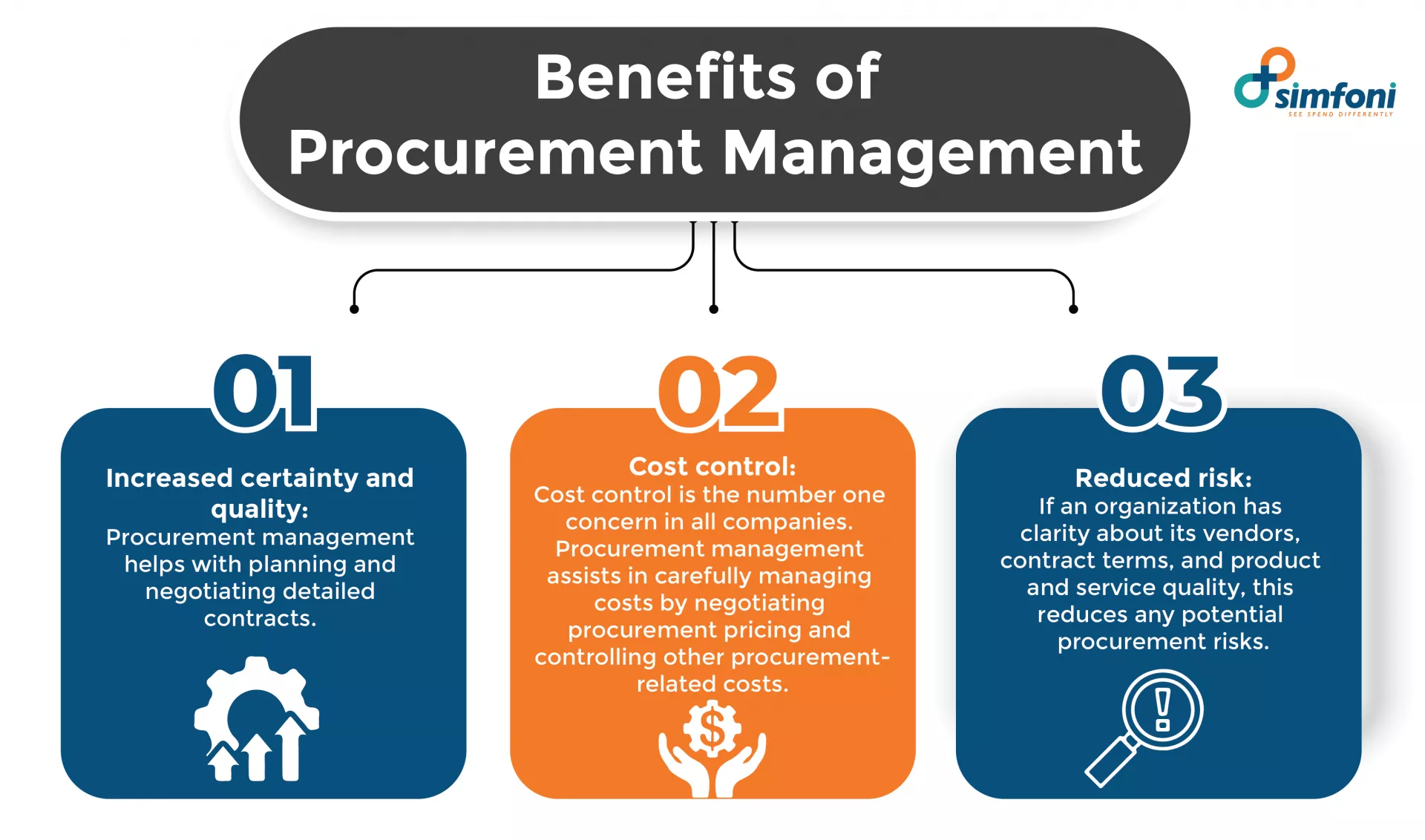
A well-executed procurement management process has several benefits. It helps improve certainty and quality, controls costs, and reduces overall risk. Let’s discuss these benefits in detail:
- Increased certainty and quality: Procurement management helps with planning and negotiating detailed contracts. This increases certainty about the quality of procured services and products and helps improve stakeholder confidence.
- Cost control: Cost control is the number one concern in all companies. Procurement management assists in carefully managing costs by negotiating procurement pricing and controlling other procurement-related costs. This ensures that the company stays within budget regardless of the project.
- Reduced risk: If an organization has clarity about its vendors, contract terms, and product and service quality, this reduces any potential procurement risks.
Suppose you want to keep your procurement process on track. In that case, it’s essential to have a thoroughly developed and competent procurement management process.
How Does Procurement Management Work?
A procurement management process has to be guided by a strong procurement strategy that aligns with the organization’s business goals.
This strategy provides your procurement team with a method of obtaining goods or services from external suppliers in a cost-effective manner. Having solid vendor relationships is crucial to ensuring that the procurement process runs smoothly and on budget.
Procurement teams are in charge of overseeing this entire process. They are responsible for:
- Finding suppliers
- Tracking orders
- Diversifying suppliers
- Defining contract terms and costs
- Diversifying
- Creating a list of approved vendors for future needs
- Ensuring that all parties fulfill their obligations
Functions of Procurement Management
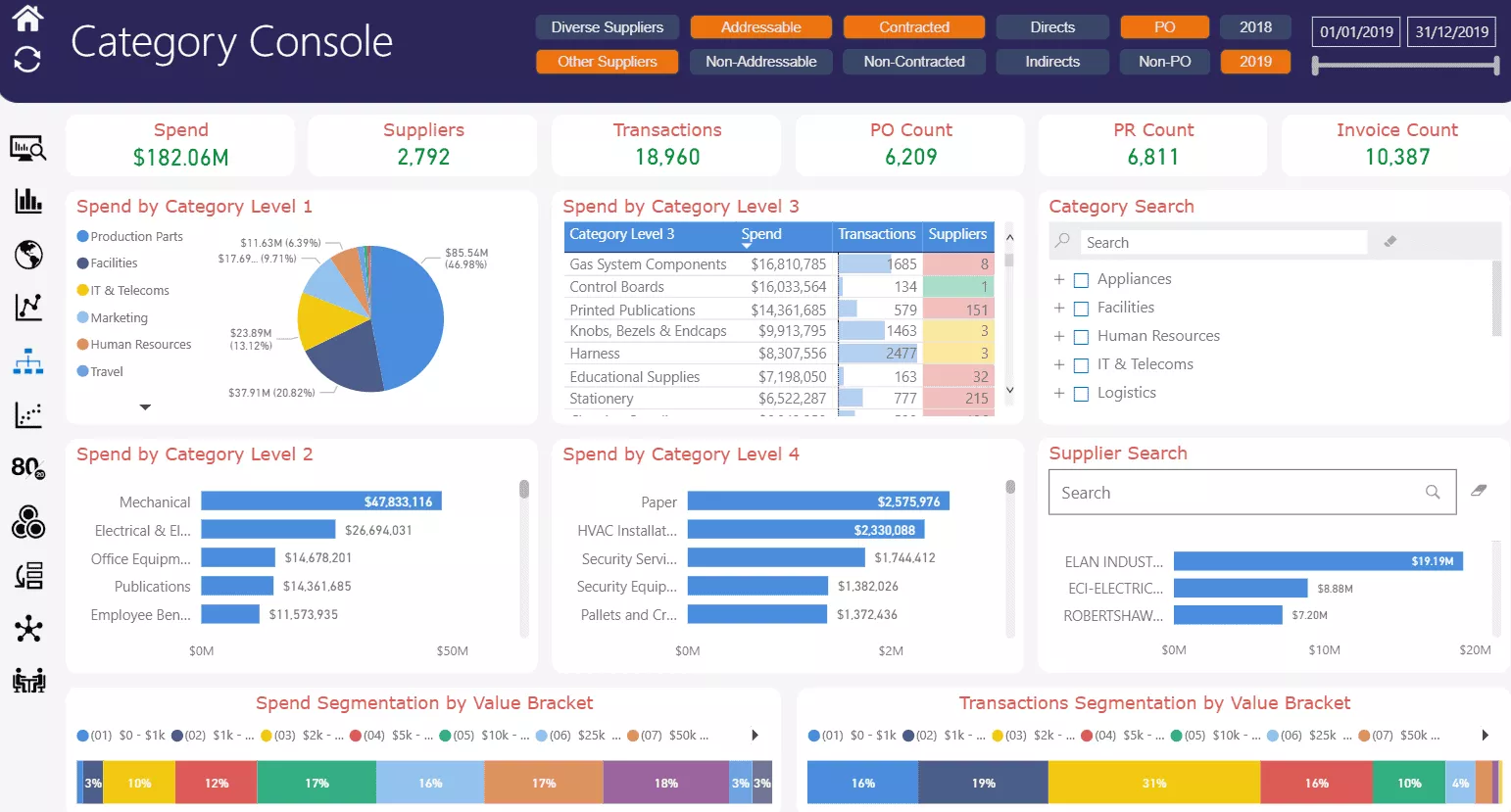
So what is the function of procurement management in a business?
In most organizations, procurement management handles all procurement transactions and any associated data streams. It encompasses vendor management which includes identifying, screening, sourcing, and negotiating contracts with suppliers.
Additionally, procurement management facilitates the business in enforcing a purchasing strategy that ensures that all the procurement practices align with the needs of all internal stakeholders and with the overall business strategies.
Generally, procurement management is composed of five functions which include:
What is a Purchase Requisition?
What is a Purchase Order (PO)?
What is Invoice Approval in procurement?
What is Vendor Management in procurement?
What is Contract Management in procurement?
Procurement Management Fundamentals
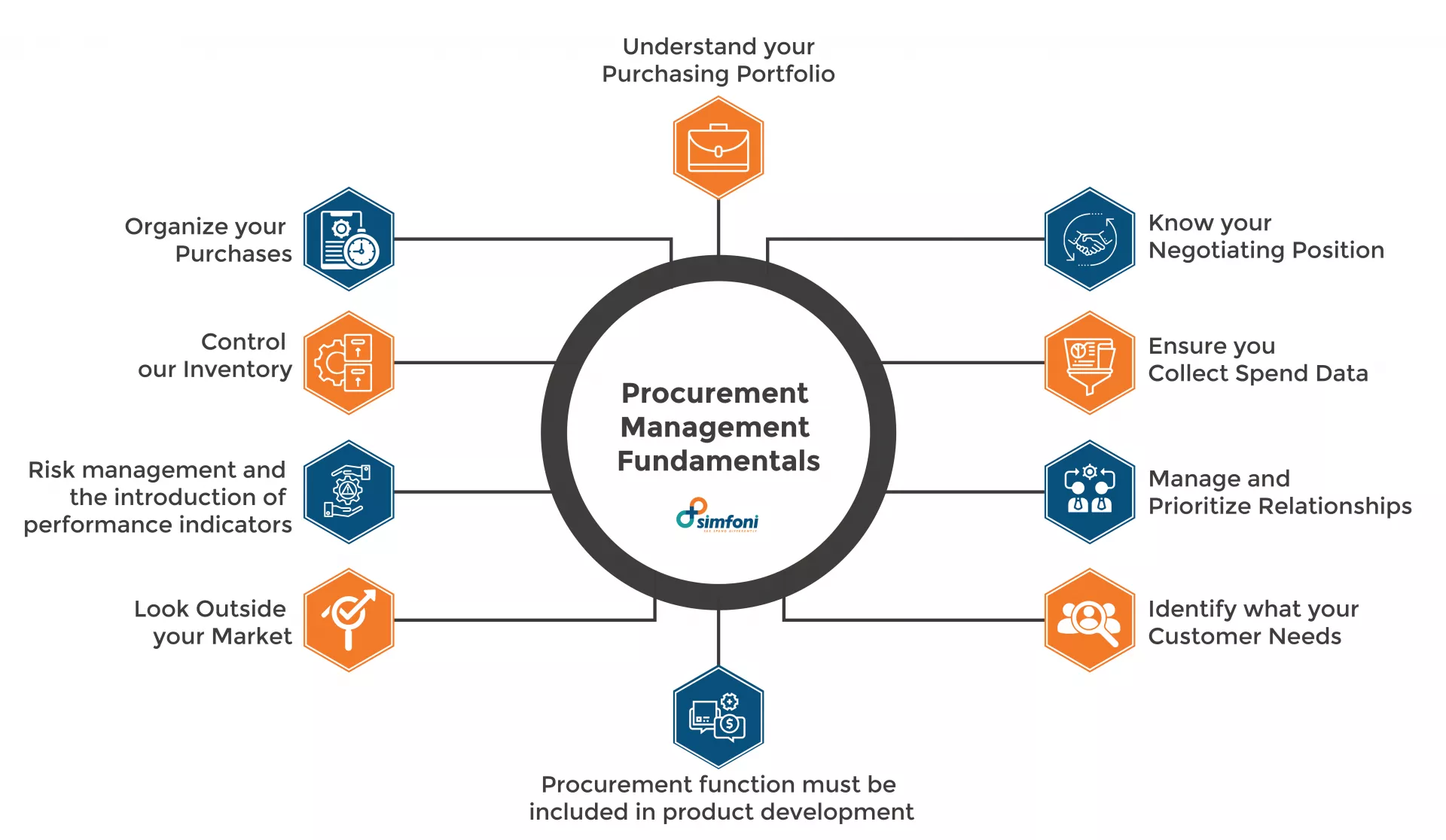
Regardless of your industry, developing good procurement management processes starts with understanding the fundamentals of procurement management. For the most part, procurement follows a series of systems and processes that identify, source, and manage contracts.
An organization has to have sound purchasing management that reduces costs and maximizes a return on investment. But what steps should you take as a procurement manager to achieve this goal?
We’ve identified ten fundamental procurement management factors that will assist in optimizing your purchasing process and save your organization money.
Why is it important to understand your Purchasing Portfolio?
How should you organize your purchases in procurement?
Why is it important to control your inventory in procurement?
Why must the procurement function be included in product development?
How do risk management and performance indicators help in procurement?
How can you identify what your customer needs in procurement?
Why should organizations look outside their market for procurement solutions?
How can you manage and prioritize relationships in procurement?
Why is it important to collect spend data in procurement?
Why is it important to know your negotiating position in procurement?
Steps Involved in Procurement Management Process
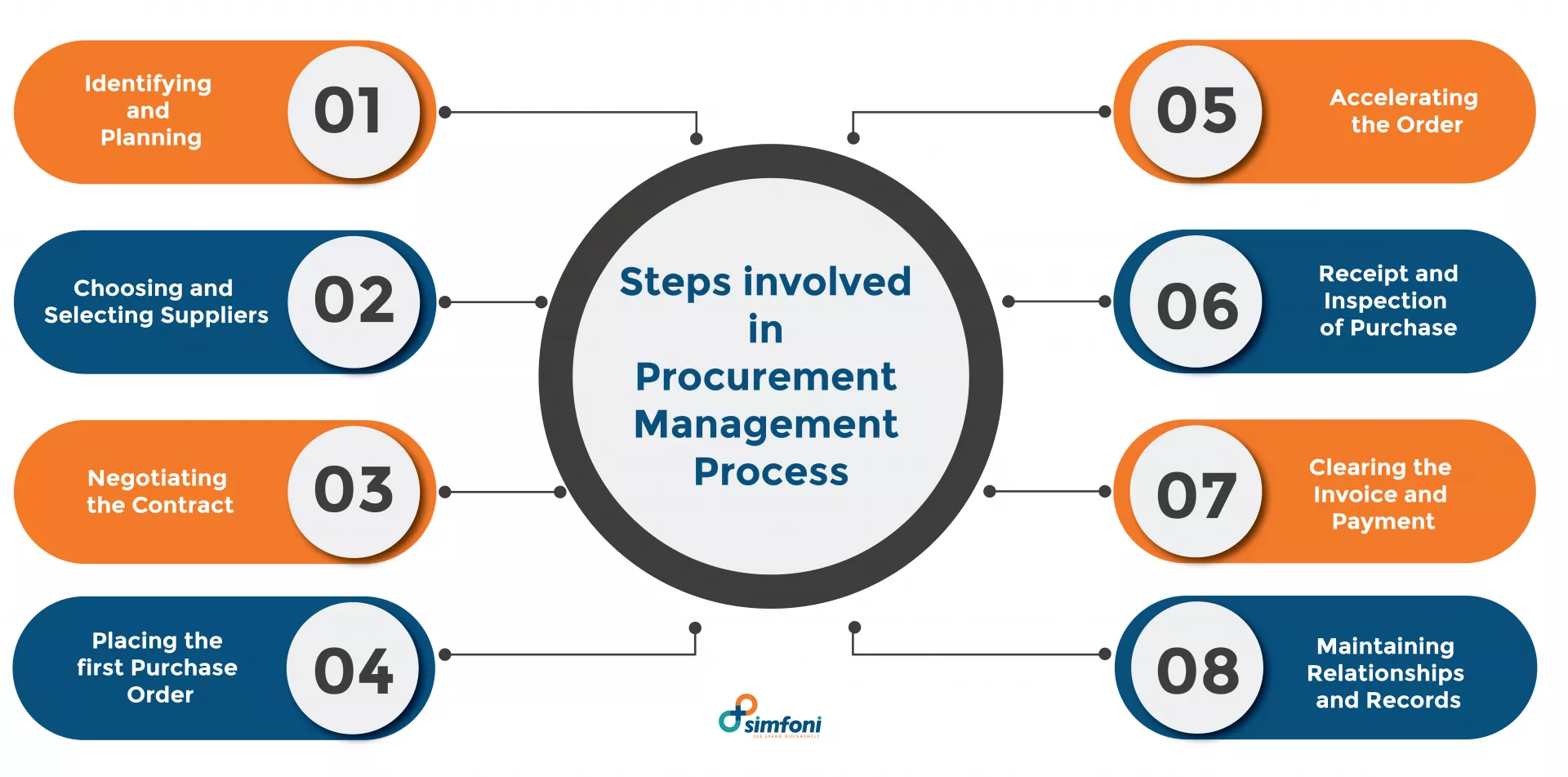
So far, we’ve covered the definition of procurement management, how it works, the benefits, and the fundamentals. However, none of this information will be helpful without having a better understanding of the steps involved in the procurement management process.
Managing goods, services, materials, and products efficiently involves a complete overhaul of the entire procurement lifecycle. While these processes differ depending on the organization’s needs, business goals, and industry, they are generally applicable.
The process that a company goes through when making a purchase typically includes the following steps:
What is involved in Step 1: Identifying and Planning in procurement?
What is involved in Step 2: Choosing and Selecting Suppliers in procurement?
What is involved in Step 3: Negotiating the Contract in procurement?
What is involved in Step 4: Placing the first Purchase Order in procurement?
What is involved in Step 5: Accelerating the Order in procurement?
What is involved in Step 6: Receipt and Inspection of Purchase in procurement?
What is involved in Step 7: Clearing the Invoice and Payment in procurement?
What is involved in Step 8: Maintaining Relationships and Records in procurement?
Procurement Management Best Practices
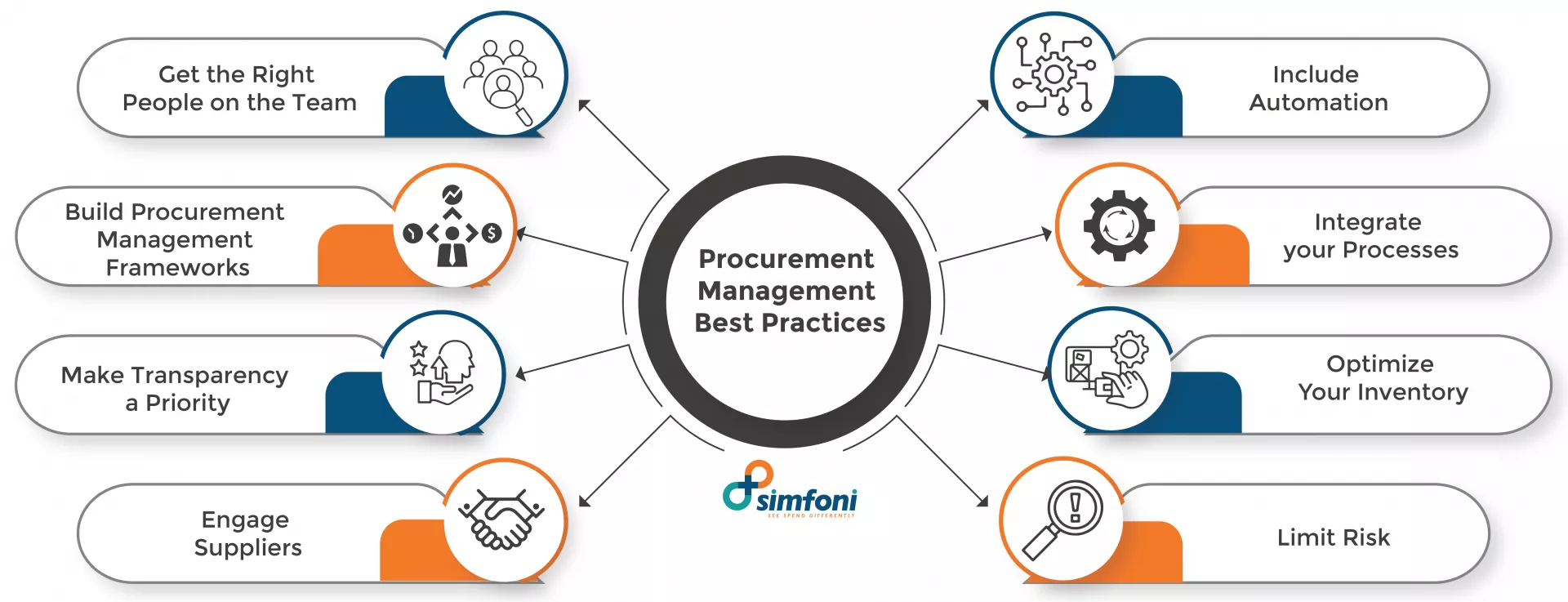
One of the most crucial procurement management practices in 2021 is automation. In addition to implementing the above steps, automation and some of the practices outlined below will help you create a smooth and reliable procurement management process.
If there’s anything you should take away from this article today, it’s the fact that automation goes beyond cost reduction. Yes, the cost of running a business is on the rise, and significant supply chain vulnerabilities are arising.
However, while automation addresses these challenges, the proper way to think about it in the procurement framework is that automation should transform your entire procurement process. Before we begin, keep in mind that these practices need to align with internal policies and procedures.
Why is it important to get the right people on your procurement team?
Why should you build Procurement Management Frameworks?
Why should you make transparency a priority in procurement management?
How can you effectively engage suppliers in procurement management?
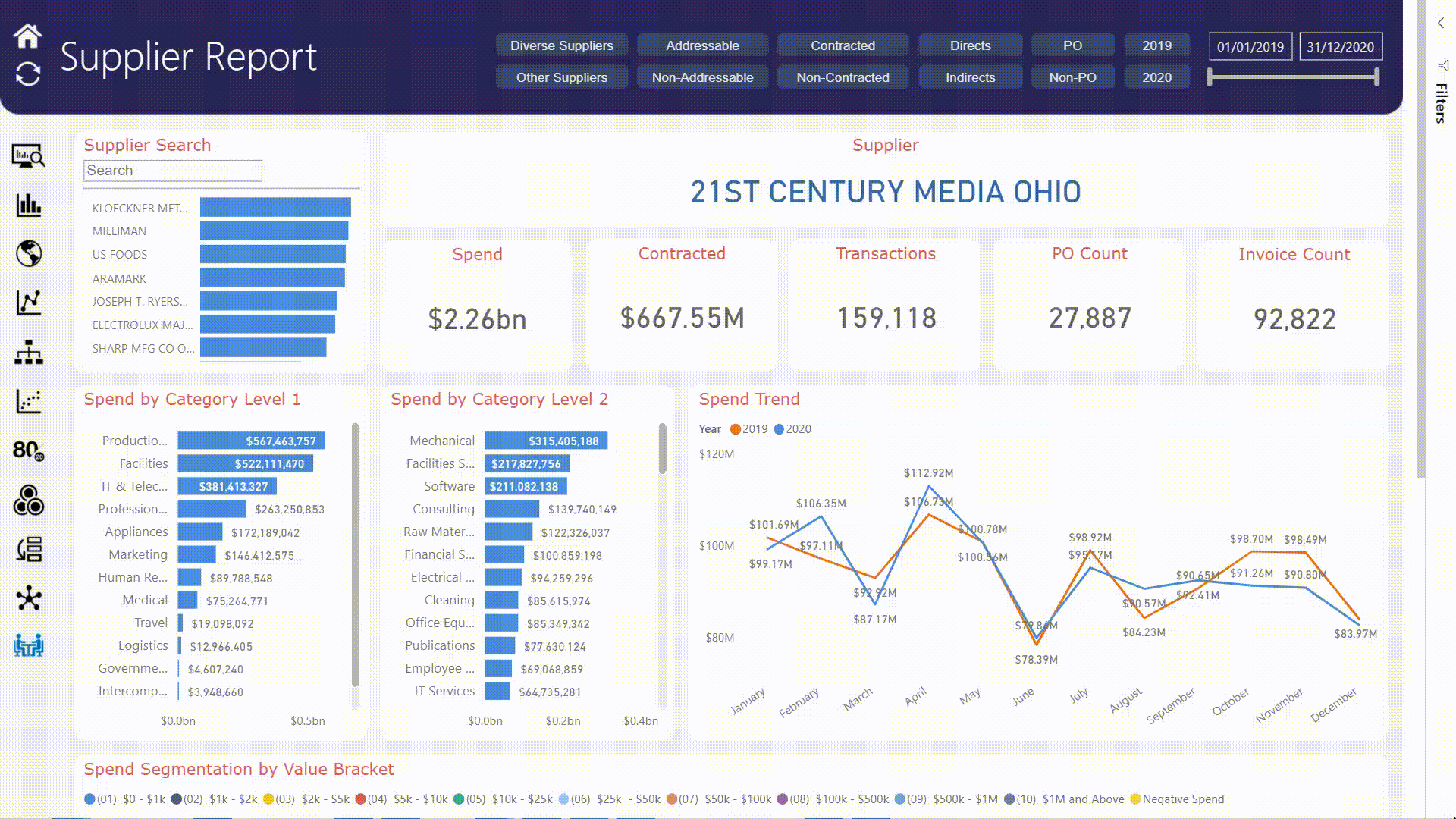
How can you optimize your inventory in procurement management?
Why should you include automation in procurement management?
Why is it important to integrate your procurement processes?
How can you limit risk in procurement management?
Creating a Procurement Management Plan
As we’ve mentioned before, a procurement management system done the right way has several crucial benefits for an organization’s bottom line. So now the question is, how do you create the right procurement management plan?
Below are some critical components that any good procurement management plan should have.
Components of Procurement Management Plan
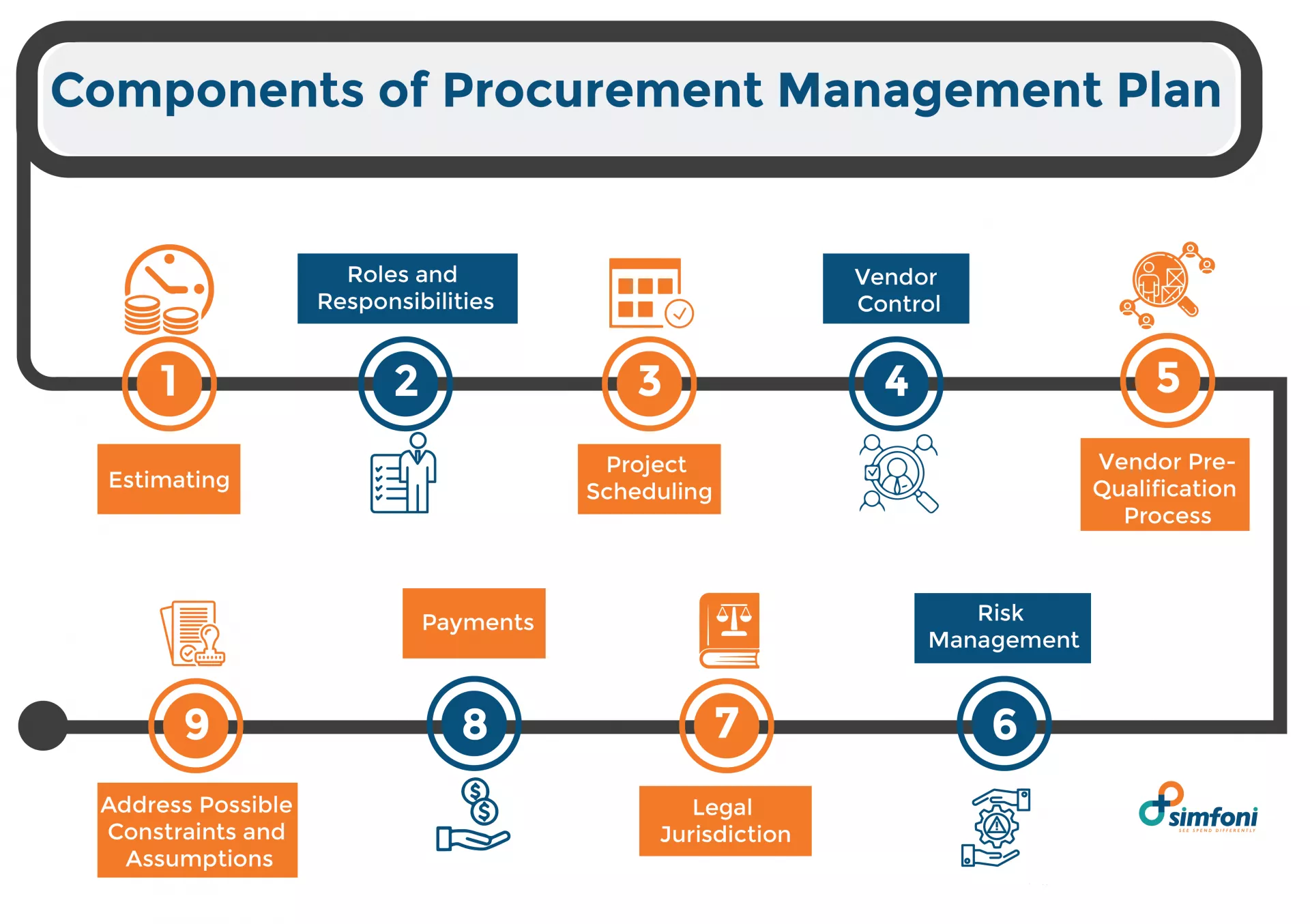
A procurement management plan details the overall strategy and the management of the process; additionally, it should outline the different sets of requirements laid by all groups of stakeholders.
Overall there are nine main components of a procurement management plan, and they are:
What is the role of Estimating in a procurement management plan?
What are Roles and Responsibilities in a procurement management plan?
What is Project Scheduling in a procurement management plan?
What is Vendor Control in a procurement management plan?
What is the Vendor Pre-Qualification Process in procurement?
What is Risk Management in a procurement management plan?
What is Legal Jurisdiction in a procurement management plan?
What should be defined regarding Payments in a procurement management plan?
What are the possible Constraints and Assumptions to address in a procurement management plan?
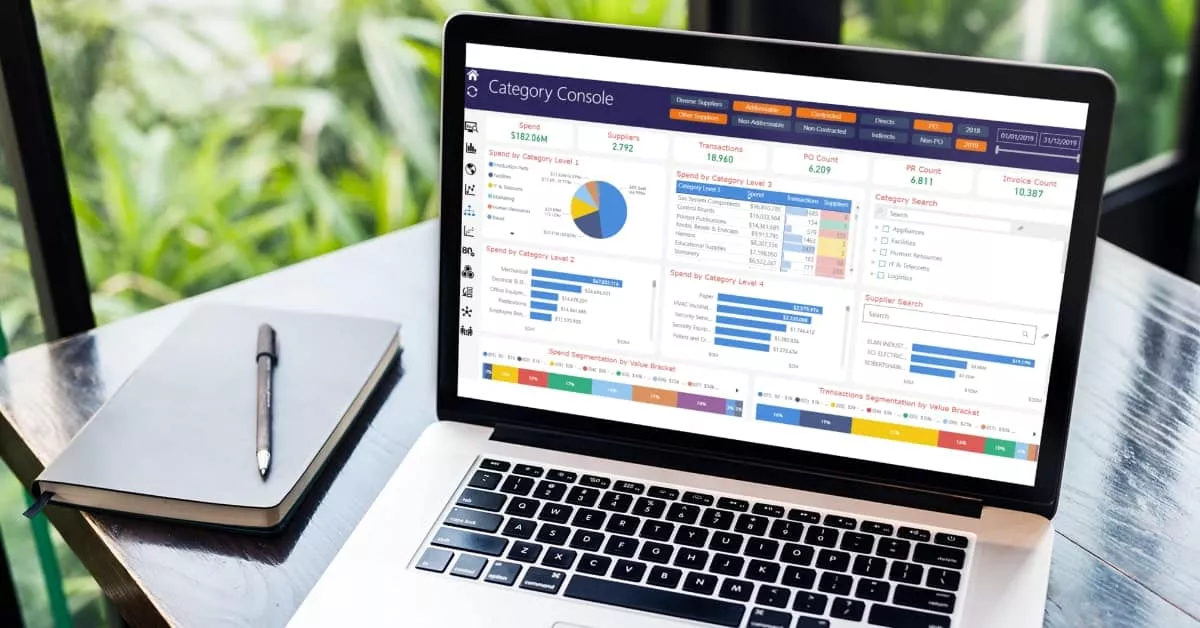
How to Create a Procurement Management Plan
Now that we’ve seen which components are necessary for a procurement management plan, let’s look at some of the steps you need to create one.
What is involved in Step 1: Outline the Terms when creating a procurement plan?
What is involved in Step 2: Determine the Type of Agreement when creating a procurement plan?
What is involved in Step 3: Identify and Mitigate Risks when creating a procurement plan?
What is involved in Step 4: Cost Determination when creating a procurement plan?
How to Improve Existing Procurement Management
The journey of improving procurement management is never over. There is always a process, system, or way of doing something that will need improvement. However, suppose you’re just starting or transitioning from manual and paper-based processes to full automation. In that case, these are some of the areas you can expect to see changes:
How can you improve procurement approvals?
How can you improve invoice matching in procurement?
How can you improve procurement notifications?
How can you improve procurement integration?
How can you improve data storage for procurement records?
Procurement Management Software & Solutions by Simfoni
So we’ve finally made it to the end, and now you’re wondering which procurement management software should I get?
Before we get there, let’s discuss the key areas that make a good procurement management software. Keep in mind that not all procurement solutions provide the same results, neither are they created equal. So first, you need to determine what you need from your procurement management software before investing in one.
Key areas to look for when comparing procurement management systems include the following:
- Advanced vendor management features that allow you to monitor the performance of suppliers every step of the way. It should also allow you to quickly onboard new vendors.
- An array of workflows and template documents that you can customize. You should be able to go paperless and automate critical components of your procurement management process with speed and efficiency.
- Impressive reporting capabilities allow you to analyze procurement performance and ensure compliance across the procurement management system.
- Several tools that support you in setting and enforcing budgetary controls across the procurement cycle will prevent fraud and costly errors.
Composable Procurement
Watch a video on how Simfoni has fused revolutionary technology with AI-enabled content and deep expertise to automate, streamline and simplify procurement. The result: a composable, on-demand spend management platform that takes the hassle out of procurement.
Conclusion
Benefits of Managing Procurement with Simfoni
Simfoni’s procurement management software is the perfect companion for all your procurement activities.
We understand and believe in Composable Procurement. This new approach to solution design involves selecting the ‘best-of-breed software modules from one vendor. The great news? Our method ensures that the software work together seamlessly with your existing system. So say goodbye to the hassle of connecting your old systems with endless APIs and to buying a monolithic, all-in-one monster.
Take a look at all the options available at Simfoni to maximize the efficiency of your procurement management.
Frequently Asked Question (FAQ)
For your help, we have created a list of answers to assist you more.
What are the 3 main types of procurement?
Procurement encompasses three main types:
1.1. Direct Procurement:
Direct procurement involves acquiring goods, materials, or services that are directly incorporated into a company’s end products. For example, a car manufacturer procures steel, tires, and engines.
1.2. Indirect Procurement:
Indirect procurement focuses on goods and services that are not directly used in the production process but are essential for business operations. Examples include office supplies, IT services, and maintenance.
1.3. Service Procurement:
Service procurement involves the acquisition of services rather than physical goods. It includes hiring consultants, contractors, or outsourcing specific tasks like IT support or marketing services.
What is an example of procurement management?
Let’s take the example of a construction company. They can show how they go about getting materials and services needed for a new building project. This involves steps like finding suppliers for materials like cement and steel, working out contracts, building good relationships with these suppliers, making sure the materials are of top quality and making sure everything gets to the construction site on time.
What are the 4 main roles of procurement?
The four main roles in procurement management are:
Buyer or Purchasing Agent:
Buyers play a key role in the procurement process by identifying suppliers , engaging in contract negotiations and making purchasing decisions aligned with company’s procurement strategy.
Procurement Manager:
Procurement managers oversee the entire procurement process, including strategy development, supplier selection, contract management, and team coordination.
Supplier Relationship Manager:
Supplier relationship managers focus on nurturing and maintaining strong relationships with suppliers to ensure the fulfillment of contracts and optimize supplier performance.
Procurement Analyst:
Procurement analysts use data and analytics to assess spending patterns, identify cost-saving opportunities, and provide insights for procurement decision-making.
What are the main steps of procurement management?
The main steps in procurement management typically include:
Identifying Needs:
Identify the goods or services needed and create a detailed procurement plan.
Supplier Selection:
Identify potential suppliers, evaluate their capabilities, and select the most suitable ones.
Negotiation and Contracting:
Negotiate terms and conditions, create contracts, and ensure legal compliance.
Procurement Execution:
Execute the procurement plan by placing orders, receiving goods or services, and managing supplier relationships.
Monitoring and Control:
Monitor supplier performance, ensure compliance with contracts, and address any issues that arise.
Closure and Evaluation:
Conclude contracts, evaluate procurement outcomes, and document lessons learned for future improvements.
What is the role of procurement?
The role of procurement in an organization is multifaceted:
- Cost Control: Procurement helps manage costs by sourcing goods and services efficiently, negotiating favorable terms, and identifying cost-saving opportunities.
- Supplier Management: It involves evaluating and managing supplier relationships to ensure the timely delivery of quality products and services.
- Risk Management: Procurement assesses and mitigates risks related to supplier reliability, market volatility, and regulatory compliance.
- Strategic Sourcing: Procurement aligns sourcing strategies with overall business objectives to enhance competitiveness and sustainability.
- Compliance: It ensures that all procurement activities adhere to legal and ethical standards.
- Sustainability: Procurement plays a role in sustainable sourcing, considering environmental and social responsibility factors.
What is the concept of procurement?
Procurement is essentially how organizations get stuff they need to run the operations and achieve their goals. It’s a careful and organized process that involves figuring out what you need, picking the right suppliers, hammering out deals, keeping good relationships with those supplier and making sure you get what you need in a smart and cost-effective way all while playing by the rules and being ethical. In short procurement is a crucial function for any organization.
What are the key components of effective procurement management?
Effective procurement management involves several key components, including:
- Strategic Planning: Aligning procurement with business goals and developing a procurement strategy.
- Supplier Selection: Evaluating potential suppliers based on criteria like quality, cost, and reliability.
- Contract Management: Creating and managing contracts that outline terms and conditions, pricing, and performance expectations.
- Risk Assessment: Identifying and mitigating risks related to supplier relationships, market changes, and external factors.
- Compliance: Ensuring adherence to legal, regulatory, and ethical standards throughout the procurement process.
How does technology influence modern procurement management?
Technology has a significant impact on modern procurement management by:
- Automating Tasks: Streamlining procurement processes and reducing manual work.
- Enhancing Data Analysis: Providing insights through data analytics and spend analysis.
- Improving Communication: Facilitating collaboration with suppliers through digital platforms.
- Enhancing Transparency: Offering visibility into the procurement process and supplier performance.
- Enabling E-Procurement: Allowing online procurement, purchase requisitions, and approvals.
What are the challenges of global procurement management?
Global procurement management faces challenges like:
- Cultural Differences: Navigating diverse business cultures when dealing with international suppliers.
- Logistics and Transportation: Managing complex logistics and transportation networks.
- Regulatory Compliance: Ensuring compliance with international trade laws and regulations.
- Currency Fluctuations: Dealing with currency exchange rate risks.
- Supplier Selection: Finding reliable global suppliers and assessing their capabilities.
How does sustainability play a role in modern procurement management?
Sustainability is increasingly important in modern procurement management as organizations seek to:
- Reduce Environmental Impact: Source eco-friendly products and materials.
- Promote Ethical Practices: Ensure suppliers adhere to ethical labor and production standards.
- Enhance Reputation: Showcase commitment to environmental and social responsibility.
- Mitigate Risks: Address risks associated with supply chain disruptions and regulatory changes related to sustainability.
What is the difference between procurement and purchasing?
Procurement involves a full-scale process that covers strategic planning, supplier choices, contract management, risk assessment and more, all aimed at securing goods and services.
Purchasing, on other hand is the practical act of buying goods and services. It is the part of broader procurement process and centers on everyday tasks like placing orders and handling payments.
How does procurement management contribute to an organization's bottom line?
Effective procurement management contributes to an organization’s bottom line by:
- Cost Reduction: Identifying cost-saving opportunities and negotiating favorable terms.
- Efficiency: Streamlining processes, reducing manual work, and minimizing errors.
- Risk Mitigation: Identifying and mitigating supplier-related risks.
- Strategic Sourcing: Aligning procurement strategies with business objectives.
- Supplier Performance: Monitoring and optimizing supplier relationships for quality and reliability.
What are the future trends in procurement management?
Future trends in procurement management include:
- Digitization: Increasing use of digital tools and e-procurement platforms.
- AI and Automation: Integration of AI for data analysis, supplier insights, and automation of tasks.
- Sustainability: A growing emphasis on sustainable sourcing and ethical practices.
- Supply Chain Resilience: Preparing for and mitigating supply chain disruptions.
- Blockchain: Utilizing blockchain for transparency and traceability in the supply chain.
How can organizations measure the effectiveness of their procurement management?
Organizations can measure the effectiveness of their procurement management by:
- Key Performance Indicators (KPIs): Tracking KPIs such as cost savings, supplier performance, and compliance.
- Supplier Surveys: Gathering feedback from suppliers on their experience.
- Spend Analysis: Analyzing spending patterns and identifying cost-saving opportunities.
- Contract Compliance: Monitoring adherence to contract terms and conditions.
- Benchmarking: Comparing procurement performance against industry benchmarks.
How can small businesses optimize their procurement management with limited resources?
Small businesses can optimize procurement management by:
- Strategic Sourcing: Focusing on essential purchases and selecting reliable suppliers.
- Cloud-Based Software: Using cost-effective cloud-based procurement tools.
- Collaboration: Collaborating with suppliers for better terms and discounts.
- Lean Processes: Streamlining procurement processes to reduce manual work.
Training: Providing training to employees involved in procurement to enhance efficiency and compliance.
Useful Resources
- Cost Reduction Strategies in Procurement.
- Effective Procure-to-Pay Process Guide (P2P Procurement).
- Guide to eProcurement software & Solutions.
- Guide to Manage Tail Spend and Improve the Bottom Line.
- Guide to Procurement Software & eProcurement Solution.
- Guide to Understanding Category Management in Procurement.
- Leveraging AI & Machine Learning in Procurement.
- Procurement Analytics & Implementation.
- Procurement Management - Key Steps and Roles.
- Procurement Marketplace - Reinventing Procurement
- Savings Tracking Process in Procurement.
- Source to Pay Process, Steps & Definition.
- Spend Analysis in Procurement: Importance, Process & Examples.
- Supplier Diversity in Procurement
- Sustainable Procurement - Importance & Best Practices
- Understanding the What, Why, & How of Strategic Sourcing.
- Procurement Auctions – How It Works, Example, and Risks.
- Supply Chain Management (SCM): How It Works and Why It Is Important
- What is Contract Management - Everything You Need to Know
- B2B Marketplace - The Ultimate Guide to Procurement Marketplace
- Spend Management - Importance & Best Practices On Business Spend Management Software & Solutions
- Strategic Sourcing – Ultimate Guide To Strategic Sourcing Processes
- Spend Cube – Ultimate Guide to Spend Cube Analysis
- Procurement Software - Automate Your Procurement Process
