Tail Spend Automation
Table of Contents
What is AI in Tail Spend Automation?
Tail Spend Automation is the use of AI and automation tools to manage and optimize low-value, high-volume procurement spend, improving visibility, reducing manual effort, and increasing cost savings.
Simfoni.com
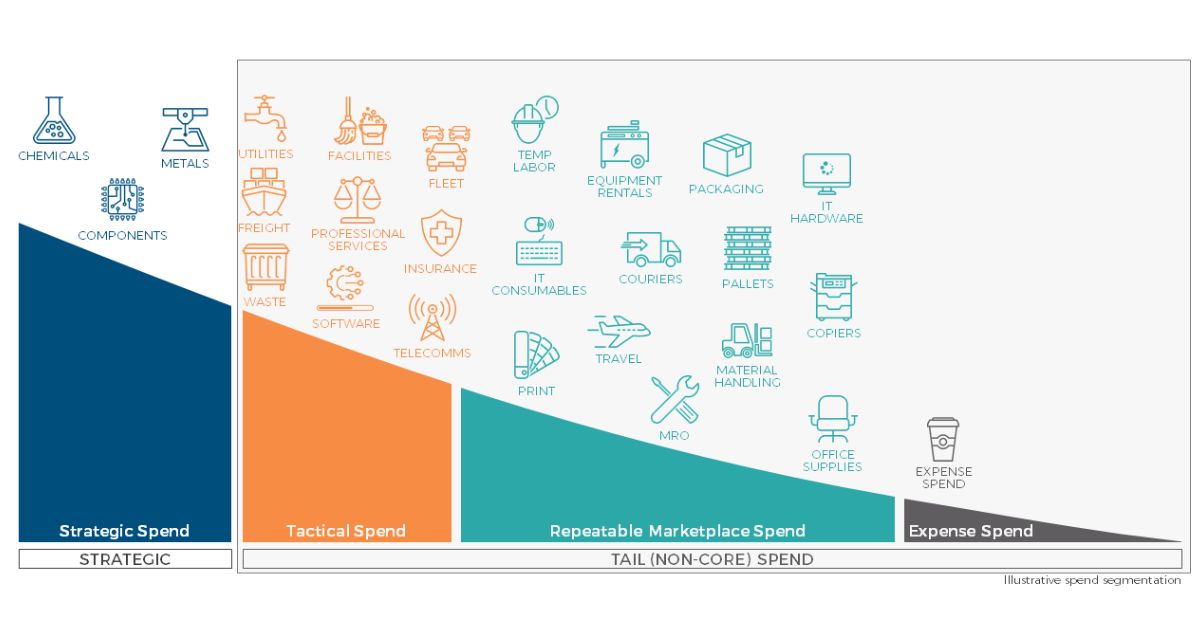
Tail Spend Automation refers to the use of technology, including AI and automation tools, to manage, control, and optimize low-value, high-volume procurement transactions that typically fall outside formal sourcing processes. Tail spend usually represents a large portion of suppliers but a small percentage of total spend, making it difficult to manage manually.
Through automation, procurement teams can classify tail spend categories, consolidate suppliers, automate sourcing workflows, and route purchases through guided buying or marketplace solutions. AI-powered systems can identify savings opportunities, enforce compliance, and streamline procurement processes, reducing manual effort and increasing spend under management.
By automating tail spend, organizations can improve visibility, reduce maverick spending, enhance supplier control, and unlock significant cost savings from previously unmanaged procurement areas.
Key Concepts in Tail Spend Automation
Definition of Tail Spend
- Typically represents 20% of total purchases but can account for up to 80% of suppliers.
- Often consists of indirect goods and services such as office supplies, maintenance services, or travel expenses.
Challenges Associated with Tail Spend
- Lack of Visibility: Organizations may not have clear insights into how much they are spending on tail items.
- Inefficiencies: Manual processes can lead to errors and delays in purchasing.
- Compliance Risks: Without proper oversight, organizations may fall out of compliance with contracts or regulations.
Benefits of Automating Tail Spend
- Increased Efficiency: Streamlined processes reduce time spent on low-value transactions.
- Cost Savings: Better tracking leads to identifying opportunities for bulk purchasing or negotiating better rates.
- Enhanced Compliance: Automated systems ensure adherence to company policies and contracts.
Steps in Implementing Tail Spend Automation
Assessment
- Evaluate current tail spend practices by analyzing purchase data.
Technology Selection
- Choose appropriate software solutions that fit the organization’s needs (e.g., e-procurement tools).
Process Redesign
- Streamline workflows around purchasing decisions; automate approval processes where possible.
- Consolidate suppliers when feasible; establish preferred vendor lists for common purchases.
Training & Change Management
- Provide training sessions for employees on new systems and procedures; encourage buy-in from all stakeholders.
Monitoring & Continuous Improvement
- Regularly assess the effectiveness of automated solutions through KPIs (Key Performance Indicators) like savings achieved and user satisfaction levels.
Practical Examples
A company spends $10 million annually on various office supplies from multiple vendors without a structured approach:
- By implementing automation tools, they identify that most orders come from just a few suppliers.
- They negotiate bulk discounts with these key suppliers while eliminating unnecessary ones—resulting in significant cost reductions over time.
An organization struggles with processing numerous small invoices manually:
- After automating their invoice management system, they find it takes half the time per transaction while reducing errors significantly—freeing up staff resources for more strategic tasks.
By understanding these concepts and following practical steps toward implementation, organizations can effectively manage their tail spend through automation strategies that enhance operational efficiencies while driving down costs.
Understanding Tail Spend
Tail spend refers to the portion of an organization’s procurement spending that is typically low in value but high in frequency. This category often includes a wide variety of purchases that are not strategically managed or monitored, leading to potential inefficiencies and missed opportunities for cost savings. To understand tail spend effectively, we need to explore its definition, characteristics, and the challenges associated with managing it.
Definition of Tail Spend
Tail spend generally encompasses all non-core expenditures—those purchases that fall outside the top 20% of suppliers or categories responsible for 80% of an organization’s spending. These transactions can be anything from office supplies and maintenance services to one-off project costs. For instance:
- Example: A company might regularly purchase printer ink cartridges from various vendors without a formal contract, resulting in inconsistent pricing and quality.
Characteristics of Tail Spend
Understanding the characteristics of tail spend helps organizations identify areas where they can improve their procurement processes. Key characteristics include:
- Low Value Transactions: Each individual transaction may seem insignificant (e.g., buying small quantities of cleaning supplies).
- High Volume: While each purchase is small, collectively they represent a substantial amount when aggregated across time.
- Diverse Suppliers: Organizations often source these items from numerous suppliers rather than relying on preferred partners.
- Lack of Visibility: Many organizations do not track tail spend rigorously; as such, it remains under the radar compared to more significant expenditure categories.
Challenges in Managing Tail Spend
Effectively managing tail spend presents several challenges:
- Limited Resources: Procurement teams may lack the bandwidth or resources to monitor every small transaction closely.
- Compliance Issues: Without proper oversight, there’s a risk that purchases do not comply with company policies or negotiated agreements.
- Inconsistent Pricing: Variability among suppliers can lead to inflated costs over time due to lack of negotiation leverage.
- Data Fragmentation: Information about these transactions is often scattered across different systems or departments, making analysis difficult.
- Example: If multiple departments within a company order stationery independently without coordination, one department might pay significantly more for similar products than another department does simply because they did not leverage bulk purchasing power.
Understanding tail spend involves recognizing its unique attributes and acknowledging the challenges it poses for effective management within an organization’s broader procurement strategy. By gaining insights into what constitutes tail spend and how it operates within their operations, businesses can start looking at automation solutions that streamline processes related to these lower-value transactions while maximizing efficiency and minimizing risks associated with unmanaged spending patterns.
Importance of Tail Spend Automation
Tail spend refers to the small, often overlooked expenditures that make up a significant portion of an organization’s total spending. While these purchases may seem trivial individually, collectively they can represent a substantial financial impact. Automating the management and procurement processes surrounding tail spend is crucial for several reasons.
1. Cost Savings
One of the primary motivations for automating tail spend management is cost savings. By streamlining purchasing processes, organizations can reduce unnecessary expenses and take advantage of better pricing options.
- Practical Example: A company might have multiple departments making independent purchases from various suppliers without any centralized oversight. By implementing automation tools, such as e-procurement solutions, the organization can consolidate orders across departments to negotiate bulk discounts with suppliers or identify preferred vendors who offer lower prices.
2. Improved Efficiency
Automating tail spend processes leads to improved efficiency in operations by reducing manual tasks and minimizing errors associated with human intervention.
- Practical Example: Consider a business where employees are required to fill out purchase requisition forms manually whenever they need supplies. This process can be time-consuming and prone to mistakes (e.g., incorrect item descriptions). With an automated system in place, employees could simply select items from a catalog online, which would automatically generate purchase orders and streamline approvals.
3. Risk Mitigation
Managing tail spend effectively through automation helps mitigate various risks associated with procurement practices—such as compliance issues or supplier reliability.
- Practical Example: Imagine a healthcare provider that frequently buys medical supplies from numerous unvetted vendors due to urgent needs in patient care settings. An automated solution could enforce compliance checks on suppliers before any transactions occur, ensuring that all vendors meet necessary regulatory standards while also providing visibility into supplier performance history.
4. Enhanced Visibility and Control
Automation provides organizations with enhanced visibility into their spending patterns by consolidating data across various categories of tail spend.
- Practical Example: A retail chain using analytics tools integrated within its procurement software can track spending trends over time—identifying areas where costs might be rising unexpectedly or pinpointing specific products that are consistently purchased outside established contracts.
5. Data-Driven Decision Making
With automated systems collecting comprehensive data about tail spend activities, businesses gain valuable insights that enable informed decision-making regarding future expenditures.
- Practical Example: A manufacturing firm analyzing its historical spending data through advanced analytics might discover that certain low-cost materials consistently lead to production delays due to quality issues from specific suppliers; this insight allows them to reassess their sourcing strategy proactively rather than reactively addressing problems as they arise.
Overall, automating tail spend management not only drives cost efficiencies but also fosters operational improvements while enhancing risk management strategies—all leading towards more strategic business outcomes in today’s competitive marketplace.
Tail Spend Automation Technologies
Tail spend automation technologies are essential tools that organizations utilize to manage their tail spend effectively. Tail spend refers to the low-value purchases that often go unnoticed and unmanaged, leading to inefficiencies and unnecessary costs. By implementing automation technologies, businesses can streamline processes, gain insights into spending patterns, and ultimately optimize their procurement strategies.
Key Technologies in Tail Spend Automation
E-Procurement Solutions
- E-procurement solutions facilitate online purchasing processes by providing a centralized platform for managing procurement activities.
- Example: A company might use an e-procurement system like Coupa or Ariba or Simfoni eProcurement Suite to automate purchase requisitions, approvals, and invoicing. This reduces manual paperwork and speeds up the buying process.
Artificial Intelligence (AI) and Machine Learning (ML)
- AI and ML can analyze vast amounts of data to identify spending trends, predict future needs, and suggest optimal suppliers.
- Example: An organization could implement an AI-driven tool that analyzes historical purchase data to recommend preferred vendors for commonly purchased items based on past performance metrics such as cost-effectiveness or delivery times.
Robotic Process Automation (RPA)
- RPA uses software robots to automate repetitive tasks within procurement workflows without human intervention.
- Example: A business might deploy RPA bots to automatically extract information from invoices received via email and input it into their financial systems—reducing errors associated with manual entry.
Spend Analytics Tools
- These tools provide insights into spending behavior by analyzing data across various categories of expenditure.
- Example: Using a spend analytics tool like Simfoni Spend Analytics allows a company to visualize its tail spend across different departments or categories, identifying areas where savings can be achieved through better supplier negotiation or consolidated purchasing.
Benefits of Using Technology for Tail Spend Automation
- Increased Efficiency: Automating routine tasks frees up time for procurement teams to focus on strategic initiatives rather than administrative work.
- Cost Savings: By gaining visibility into tail spend categories through technology, organizations can uncover hidden costs and negotiate better deals with suppliers.
- Enhanced Compliance: Automated systems help ensure adherence to corporate policies by standardizing purchasing processes across the organization.
Practical Considerations When Implementing Technologies
When considering these technologies for tail spend automation:
Assess your organization’s current procurement processes:
- Identify bottlenecks where technology could improve efficiency.
Choose the right mix of tools:
- Not all businesses will need every type of technology; select those that align best with your specific challenges.
Ensure proper training:
- Employees must understand how these new tools integrate into existing workflows—providing adequate training is crucial for successful adoption.
By leveraging these advanced technologies in the realm of tail spend automation, organizations not only enhance operational effectiveness but also position themselves strategically against market fluctuations while ensuring they are maximizing value from all expenditures—even those typically overlooked in traditional management approaches.
Implementing Tail Spend Automation
Implementing tail spend automation is a critical step for organizations looking to optimize their procurement processes and manage their spending more effectively. This process involves identifying the categories of tail spend, selecting appropriate automation tools, and ensuring that change management and training are in place for successful adoption.
1. Identifying Tail Spend Categories
Tail spend refers to the small percentage of total expenditure that often goes unmanaged or overlooked. To implement tail spend automation successfully, organizations must first identify which categories fall under this umbrella.
- Practical Example: A manufacturing company may find that its office supplies, maintenance services, or travel expenses constitute a significant portion of its tail spend. By analyzing historical purchase data, they can categorize these expenditures and prioritize them for automation.
2. Selecting Automation Tools
Once the relevant categories have been identified, it’s time to select the right automation tools tailored to address those specific needs:
E-Procurement Solutions: These platforms streamline purchasing processes by automating requisitions and approvals.
Artificial Intelligence (AI) and Machine Learning (ML): AI can analyze spending patterns to uncover insights about suppliers and pricing trends.
Robotic Process Automation (RPA): RPA can automate repetitive tasks such as invoice processing or order entry.
Spend Analytics Tools: These tools provide visibility into spending behaviors across different departments allowing organizations to make informed decisions.
Practical Example: An organization might choose an e-procurement solution like Coupa or Ariba due to its user-friendly interface that allows employees from various departments to easily submit purchase requests while maintaining compliance with company policies.
3. Change Management and Training
Automation implementation isn’t just about technology; it’s also about people. Successful adoption requires effective change management strategies along with comprehensive training programs:
Change Management Strategies:
- Communicate the benefits of automation clearly across all levels of the organization.
- Involve stakeholders early in the process for buy-in.
Training Programs:
- Conduct workshops or online tutorials on how to use new tools effectively.
- Provide ongoing support through helpdesks or internal champions who assist others during the transition.
Practical Example: If a retail chain implements a new automated procurement system, they could hold training sessions where employees practice using real-life scenarios related to their roles—such as ordering stock items—ensuring they feel confident navigating the new system before it goes live.
Implementing tail spend automation is not merely a technical endeavor but rather an organizational transformation initiative aimed at improving efficiency, reducing costs, and mitigating risks associated with unmanaged expenditures. By carefully identifying categories within tail spend, selecting appropriate technologies tailored for those areas, and investing in robust change management practices coupled with thorough training programs—organizations can realize significant long-term benefits from their investments in automation solutions.
Best Practices for Tail Spend Automation
Tail spend automation focuses on streamlining the procurement processes related to low-value purchases that often go unmanaged. Implementing best practices in this area can lead to significant improvements in efficiency, cost savings, and overall supplier relationships. Here’s an extensive overview of effective strategies to ensure successful tail spend automation.
1. Supplier Management
Effective supplier management is crucial for optimizing tail spend. By maintaining strong relationships with suppliers, organizations can negotiate better terms and improve service levels.
Consolidate Suppliers: Aim to reduce the number of suppliers by consolidating purchases with a select few. For instance, if your organization frequently buys office supplies from multiple vendors, consider partnering with one or two key suppliers who can provide better pricing and service.
Supplier Performance Evaluation: Regularly assess supplier performance through metrics such as delivery times and quality of goods/services received. This helps identify top performers and those that may need improvement or replacement.
2. Contract Management
Managing contracts effectively ensures compliance and maximizes value from agreements made with suppliers.
Centralized Contract Repository: Create a centralized system where all contracts are stored digitally. This makes it easier to track expiration dates, renewal options, and compliance requirements.
Automated Alerts for Renewals: Set up automated notifications for upcoming contract renewals or renegotiations so that you are prepared ahead of time to either renew beneficial agreements or explore alternatives.
3. Data Management
Good data management is essential for making informed decisions regarding spending patterns.
Spend Categorization: Classify spending into categories (e.g., IT services, office supplies). Use analytics tools to visualize these categories clearly; this will help identify areas where automation could save costs.
Regular Data Audits: Conduct regular audits of procurement data to ensure accuracy and completeness. This practice helps in identifying discrepancies early on which can prevent larger issues down the line.
4. Change Management and Training
To successfully implement automation solutions within tail spend management:
Stakeholder Engagement: Involve stakeholders from different departments early in the process when selecting automation tools so they feel invested in the change.
Comprehensive Training Programs: Provide thorough training sessions tailored for various user groups—procurement officers may need different training than finance teams—to ensure everyone understands how to use new systems effectively.
5. Integration with Existing Systems
Seamless integration between new automation technologies and existing systems is vital:
Evaluate Compatibility Early On: Before choosing any tool, assess its compatibility with current software (like ERP systems) used within your organization.
Pilot Testing Before Full Rollout: Consider running pilot tests using a small subset of users before fully implementing a new system across the organization, allowing you to troubleshoot any integration challenges without disrupting operations significantly.
6. Measuring ROI
Establish clear metrics for evaluating success once tail spend automation has been implemented:
Track Cost Savings Over Time: Monitor reductions in procurement costs against baseline figures established prior to implementation.
Analyze Process Efficiency Gains: Measure improvements in processing times per purchase order or reduction in manual tasks performed by staff members after adopting automated solutions.
Challenges and Considerations in Tail Spend Automation
Tail spend automation offers significant benefits, but it also comes with its own set of challenges and considerations that organizations must address to ensure successful implementation. Understanding these challenges is crucial for mitigating risks and maximizing the effectiveness of automation efforts.
1. Integration with Existing Systems
One of the primary challenges in tail spend automation is integrating new tools with existing systems. Many organizations already have established procurement processes, software, and databases that may not be compatible with new automation technologies.
- Practical Example: A company using an outdated enterprise resource planning (ERP) system might find it difficult to integrate a modern e-procurement solution. This can lead to data silos where information isn’t shared effectively across platforms, resulting in inefficiencies.
2. Data Privacy and Security
As organizations automate their tail spend management processes, they often handle sensitive supplier data. Ensuring that this data remains secure is paramount.
- Practical Example: If an organization implements a cloud-based spend analytics tool without proper security measures, it could expose confidential supplier contracts or financial information to unauthorized access or cyberattacks.
3. Measuring ROI
Determining the return on investment (ROI) from tail spend automation can be complex due to various factors involved in measuring success beyond just cost savings.
- Consideration: Organizations need clear metrics to evaluate success—this may include tracking reductions in processing time for purchase orders or improvements in compliance rates rather than merely focusing on direct cost savings alone.
4. Change Management and Training
Introducing automated solutions requires changes not only in technology but also within organizational culture and employee roles. Resistance from staff who are accustomed to traditional methods can hinder progress.
- Practical Example: Employees may feel threatened by robotic process automation (RPA) taking over certain tasks; thus, effective training programs should focus on how employees can leverage these tools instead of fearing them—showing them how RPA can free up time for more strategic activities such as supplier relationship management.
5. Supplier Management Difficulties
Automating interactions with suppliers presents unique challenges related to maintaining strong relationships while ensuring compliance with procurement policies.
- Consideration: As companies rely more heavily on automated systems for purchasing decisions, there’s a risk that personalized communication could diminish if not managed properly; hence strategies must be developed to maintain engagement through regular check-ins or feedback loops despite increased reliance on technology.
6. Complexity of Tail Spend Categories
Tail spend encompasses diverse categories of spending which vary significantly among different industries or even departments within the same organization; automating this complexity requires careful consideration during implementation phases:
- Practical Example: An organization might have multiple low-value purchases across various departments like IT hardware supplies versus office stationery—each requiring tailored approaches when defining rules for automated approvals based upon specific thresholds relevant only at departmental levels rather than one-size-fits-all solutions designed centrally by finance teams alone.
By acknowledging these challenges and considerations upfront, organizations can better prepare themselves for implementing effective tail spend automation strategies that deliver long-term value while minimizing potential pitfalls along the way.
Future Trends in Tail Spend Automation
As organizations increasingly recognize the significance of managing tail spend effectively, several trends are emerging that will shape the future of tail spend automation. This section explores these trends and their implications for businesses looking to optimize their procurement processes.
1. Advances in Technology
The rapid evolution of technology is a cornerstone for enhancing tail spend automation. Key advancements include:
Artificial Intelligence (AI) and Machine Learning: These technologies enable more sophisticated data analysis, allowing companies to predict spending patterns and identify opportunities for savings. For example, an AI-driven tool can analyze past purchase data to recommend preferred suppliers or flag unusual spending behaviors.
Blockchain: While still in its infancy regarding mainstream adoption, blockchain technology offers enhanced transparency and security in transactions. It can help verify supplier credentials and contract terms automatically, reducing fraud risks associated with tail spend.
Cloud Computing: The shift towards cloud-based solutions facilitates real-time collaboration across departments and locations. Companies can implement e-procurement systems that allow stakeholders easy access to purchasing information from anywhere, streamlining decision-making processes.
2. Increasing Adoption Rates
Organizations are progressively recognizing the need for effective tail spend management as part of their overall procurement strategy:
Broader Awareness: As case studies showcasing successful tail spend automation proliferate, more businesses are becoming aware of its benefits—such as cost reductions and improved operational efficiency—leading to increased investment in these technologies.
Integration into Procurement Strategies: More companies are incorporating tail spend management into their core procurement strategies rather than treating it as a peripheral concern. This integration ensures that all spending categories receive appropriate attention and oversight.
3. Evolving Business Needs
As markets change rapidly due to globalization, digital transformation, and evolving consumer preferences, organizations must adapt accordingly:
Sustainability Focus: There is a growing emphasis on sustainable procurement practices within tail spend management. Companies may seek out suppliers who adhere to environmentally friendly practices or contribute positively to social causes while automating their sourcing processes through tailored tools.
Customization and Personalization: Businesses will increasingly demand custom-tailored automation solutions that cater specifically to their unique needs rather than one-size-fits-all approaches. For instance, a manufacturing firm might require specialized software capable of tracking materials sourced from various regions while ensuring compliance with local regulations.
4. Enhanced Data Analytics Capabilities
With the rise of big data analytics tools comes the ability for organizations to derive actionable insights from vast amounts of data related to spending habits:
Predictive Analytics: By leveraging predictive analytics capabilities integrated into automated systems, companies can forecast future purchasing trends based on historical data patterns—allowing them not only to manage current expenses but also plan strategically for upcoming fiscal periods.
Real-Time Reporting Dashboards: Advanced analytics platforms will provide dynamic dashboards offering real-time insights into spending activities across different categories—enabling proactive decision-making by highlighting areas requiring attention before they escalate into larger issues.
Conclusion
The future landscape of tail spend automation is poised for significant transformation driven by technological advancements, increasing awareness among businesses about its importance, evolving organizational needs toward sustainability and customization efforts alongside enhanced analytical capabilities enabling better-informed decisions at every level within an organization’s supply chain ecosystem.
Frequently Asked Questions on Tail Spend Automation
1. What is tail spend automation?
Tail spend automation uses AI and procurement technology to manage low-value, high-volume purchases that are often unmanaged. It helps organizations automate sourcing, improve visibility, and reduce costs.
2. What is tail spend in procurement?
Tail spend refers to the portion of procurement spend that involves many suppliers but low individual transaction values. It is typically decentralized and difficult to control, making it a key area for optimization.
3. Why is tail spend difficult to manage?
Tail spend is difficult to manage because it involves a large number of suppliers, fragmented purchasing processes, and limited visibility. Manual tracking and control are inefficient at scale.
4. How does automation improve tail spend management?
Automation improves tail spend management by classifying spend data, consolidating suppliers, automating purchasing workflows, and identifying cost-saving opportunities in real time.
5. What are the benefits of tail spend automation?
Benefits include increased spend visibility, reduced maverick spending, improved compliance, supplier consolidation, faster procurement cycles, and measurable cost savings.
6. What technologies are used in tail spend automation?
Technologies include AI-driven spend classification, procurement automation platforms, guided buying tools, supplier marketplaces, and analytics dashboards.
7. How does AI help in tail spend automation?
AI helps by automatically classifying spend, detecting patterns, identifying savings opportunities, recommending suppliers, and continuously improving procurement decisions.
8. What is the difference between tail spend management and tail spend automation?
Tail spend management refers to the overall strategy for controlling tail spend, while tail spend automation focuses on using technology and AI to execute that strategy efficiently.
9. When should organizations implement tail spend automation?
Organizations should implement tail spend automation when they have low visibility into small purchases, a large supplier base, or significant unmanaged spend that impacts cost and compliance.
10. How does tail spend automation improve procurement efficiency?
It reduces manual processes, speeds up purchasing, improves supplier selection, and ensures that procurement teams can focus on strategic sourcing rather than transactional tasks.
11. Can tail spend automation reduce supplier risk?
Yes, by consolidating suppliers and improving visibility, tail spend automation reduces reliance on unknown or unvetted suppliers and improves supplier performance monitoring.
12. Is tail spend automation suitable for all industries?
Yes, tail spend automation is applicable across industries, especially in organizations with high transaction volumes, complex supply chains, and decentralized procurement processes.