Purchase Order
Table of Contents
What is a Purchase Order (PO) in Procurement?
A purchase order (PO) is a formal document sent by a buyer to a supplier that outlines the details of a purchase, including items, quantities, prices, and terms.
Simfoni.com
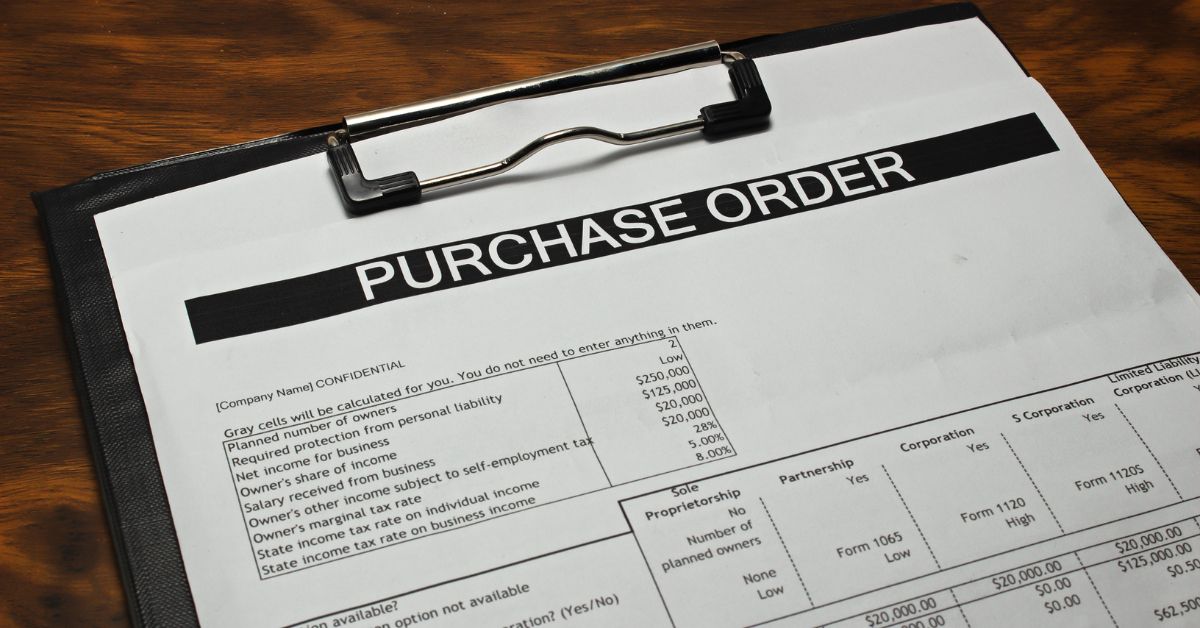
A Purchase Order (PO) is a formal document issued by a buyer to a supplier that specifies the details of a purchase, including the items or services, quantities, agreed prices, delivery terms, and payment conditions. It serves as a legally binding agreement once accepted by the supplier.
In procurement, purchase orders are used to control spending, ensure compliance with procurement policies, and provide clear documentation of transactions. The purchase order process typically involves creating the PO, obtaining approvals, sending it to the supplier, and tracking fulfillment and payment.
By standardizing purchasing and creating an audit trail, purchase orders help organizations manage supplier relationships, reduce errors, and maintain financial control.
Key Components of a Purchase Order
Purchase Order Number
- A unique identifier for tracking purposes.
Buyer Information
- Name, address, and contact information of the purchasing organization.
Seller Information
- Name, address, and contact details of the vendor supplying goods or services.
Order Date
- The date when the purchase order is created.
Delivery Date
- Expected date for delivery of goods or completion of services.
Item Description
- Detailed description of each item being ordered including:
- Quantity
- Unit price
- Total cost per line item
- Detailed description of each item being ordered including:
Shipping Instructions
- Details on how items should be shipped, including shipping method and delivery location.
Payment Terms
- Conditions under which payment will be made (e.g., net 30 days).
Terms and Conditions
- Any additional legal terms that apply to the transaction.
Importance of Purchase Orders
- Establishes clear communication between buyers and sellers regarding expectations.
- Provides legal protection for both parties in case disputes arise.
- Helps organizations manage budgets by keeping track of spending.
- Streamlines inventory management by providing detailed records about orders placed.
Types of Purchase Orders
Standard Purchase Order:
- Used for one-time purchases with specific quantities at agreed prices.
Blanket Purchase Order:
- An agreement with a supplier to provide multiple deliveries over time without issuing separate POs each time.
Contract Purchase Order:
- Used when there’s an ongoing relationship with suppliers where terms are set in advance but quantities may vary over time.
How to Create a Purchase Order
Identify Needs:
- Determine what products or services are required based on current inventory levels or project needs.
Select Supplier:
- Research potential vendors who can meet your requirements at competitive prices.
Draft PO:
- Fill out all necessary components mentioned above ensuring clarity on specifications and terms.
Approval Process:
- Submit PO for approval within your organization if needed before sending it to the supplier.
Send PO:
- Deliver the approved purchase order to your chosen vendor via email or other preferred methods (fax, online portal).
Follow Up:
- Confirm receipt with vendor and clarify any questions they might have regarding fulfillment timelines or specifics about items ordered.
Understanding purchase orders is essential for efficient business operations whether you are managing procurement processes in small businesses or large corporations alike; they help maintain organized records while ensuring smooth transactions between buyers and sellers!
Importance of Purchase Orders
Clarity and Communication:
- A purchase order clearly communicates what the buyer wants from the seller. This reduces misunderstandings about product specifications, quantities, and prices.
- For example, if a company needs 100 units of Product X at $10 each, issuing a PO ensures that both parties are aligned on these details.
Legal Protection:
- POs can serve as legal documents that protect both buyers and sellers in case of disputes regarding delivery terms or payment conditions.
- If there’s ever a disagreement over whether an order was fulfilled correctly, the PO acts as proof of what was agreed upon.
Budget Management:
- By using POs, organizations can track their spending more effectively since they have documented approvals for purchases.
- For instance, if your department has been allocated $5,000 for supplies this quarter and you issue several POs totaling $4,500; it helps ensure you stay within budget limits.
Inventory Control:
- Purchase orders assist businesses in maintaining accurate inventory levels by documenting incoming stock.
- When new items arrive based on issued POs, companies can update their inventory systems accordingly to prevent stock shortages or excesses.
Components of Purchase Orders
A purchase order (PO) is a vital document in the procurement process, serving as a formal request from a buyer to a supplier for goods or services. Understanding the components of a purchase order is essential for effective purchasing and inventory management. Each component plays an important role in ensuring clarity, accountability, and accurate transactions between buyers and suppliers.
Here’s an extensive overview of the key components found within most purchase orders:
1. Purchase Order Number
The purchase order number is a unique identifier assigned to each PO. This number helps both parties track orders efficiently and serves as reference material for any inquiries or disputes that may arise later.
- Example: If you place multiple orders with the same vendor, each will have its own PO number (e.g., PO12345), making it easier to identify specific transactions.
2. Supplier Information
This section contains details about the supplier providing the goods or services. Key information includes:
- Supplier Name
- Address
- Contact Person
- Phone Number Having accurate supplier information ensures proper communication and delivery.
- Example: A company ordering office supplies would list “Office Depot” along with their address and contact details here.
3. Buyer Information
Similar to supplier information, this part lists details about the buyer (the individual or organization placing the order). It typically includes:
- Buyer Name
- Company Name
- Address
- Contact Details Providing complete buyer information facilitates clear communication regarding payment and delivery.
- Example: The finance department at XYZ Corp might be listed here, including their contact person who handles procurement.
4. Order Date
The order date indicates when the purchase order was created. This date is crucial for tracking timelines related to fulfillment and payment processes.
- Example: If an order is placed on March 15th but isn’t received until April 10th, knowing the original order date helps assess delays.
5. Delivery Date
The delivery date specifies when the buyer expects to receive ordered items or services. This component is critical for planning inventory levels and meeting operational needs.
- Example: A restaurant may need kitchen equipment delivered by April 1st before reopening after renovations; thus, they specify this delivery date on their PO.
6. Item Descriptions
Detailed descriptions of each item being ordered are included in this section:
- Item name
- Model/part numbers This ensures that there are no misunderstandings regarding what exactly has been requested.
–Example: Instead of just stating “chairs,” it should specify “Ergonomic Office Chair Model X123.”
7. Quantities
This component outlines how many units of each item are being ordered:
- Quantity per item Accurate quantity specifications help prevent over-ordering or under-ordering situations.
–Example: An electronics store might request ten units of “Bluetooth Speakers” if they expect high demand during sales events.
8. Prices
Prices indicate how much each item costs per unit as well as total costs associated with them:
- Unit price
- Total price calculation based on quantities Clear pricing helps maintain budget control within organizations while facilitating transparent negotiations with suppliers.
–Example: If one ergonomic chair costs $150, then ordering five would show $750 next to that line item on the PO.
9. Terms and Conditions
These outline any legal stipulations surrounding payment terms, warranties, returns policies, shipping arrangements etc., which govern how business will be conducted between parties involved in transaction execution:
- Payment terms (e.g., Net30)
- Return policy specifics
Including these conditions protects both parties’ interests throughout dealings while minimizing potential conflicts down road due misunderstanding! –Example: The agreement might state that payments must be completed within thirty days post-delivery receipt confirmation.
Understanding these components can significantly enhance your ability not only manage purchases effectively but also foster strong relationships between buyers/suppliers through clear communication channels established via comprehensive POs!
Types of Purchase Orders
Understanding the different types of purchase orders is essential for effective procurement and supply chain management. Each type serves a specific purpose and can be used in various scenarios based on the needs of the buyer and supplier relationship. Here’s an overview of the main types:
1. Standard Purchase Orders
Standard purchase orders are the most commonly used type. They are typically issued for one-time purchases where specific goods or services are requested.
- Example: A company needs to buy 100 laptops from a vendor for a new employee onboarding program. The purchasing department creates a standard purchase order detailing the specifications, quantities, prices, and delivery terms.
2. Planned Purchase Orders
Planned purchase orders are utilized when a buyer anticipates future needs but does not want to commit to immediate delivery. These orders allow companies to plan their inventory while maintaining flexibility.
- Example: A manufacturing firm knows it will need raw materials every month for production but wants to avoid overstocking. They create planned purchase orders that outline monthly requirements without specifying exact delivery dates until closer to fulfillment.
3. Blanket Purchase Orders
Blanket purchase orders cover multiple deliveries over a specified period at predetermined prices, making them ideal for ongoing relationships with suppliers.
- Example: A restaurant chain regularly purchases bulk ingredients like flour and sugar from its supplier throughout the year. Instead of issuing separate standard purchase orders each time they need supplies, they use a blanket purchase order that allows them to draw from this agreement as needed within an agreed timeframe (e.g., six months).
4. Contract Purchase Orders
Contract purchase orders establish long-term agreements between buyers and suppliers, outlining terms such as pricing, quantity commitments, and service levels over an extended period.
- Example: An IT company enters into a contract with software vendors for licenses covering three years at fixed rates per user license per year. This ensures stability in budgeting while allowing access to necessary software tools without renegotiating frequently.
Summary
Each type of purchase order plays an integral role in managing procurement effectively:
- Standard Purchase Order: Best suited for one-off transactions.
- Planned Purchase Order: Ideal for forecasting future needs without immediate commitment.
- Blanket Purchase Order: Facilitates ongoing supply relationships with set terms.
- Contract Purchase Order: Establishes longer-term arrangements providing stability in pricing and availability.
By recognizing these distinctions, businesses can tailor their purchasing strategies according to operational demands while fostering better supplier relations through clarity in agreements.
The Purchase Order Process
The purchase order process is a systematic approach that organizations follow to procure goods and services from suppliers. It involves several steps, each critical for ensuring that the purchasing needs of the organization are met efficiently and effectively. Understanding this process helps in maintaining good relationships with suppliers, managing inventory levels, and controlling costs.
Overview of the Purchase Order Process
The purchase order process can be broken down into several key stages:
Requisition
- This is the initial step where a department within an organization identifies a need for products or services. A requisition form may be filled out detailing what is needed.
- Example: A marketing team realizes they need new promotional materials like brochures. They submit a requisition form specifying quantities and types of materials required.
Approval
- Once the requisition is submitted, it typically goes through an approval workflow where managers review it to ensure budgetary compliance and necessity.
- Example: The marketing manager reviews the request and approves it after confirming there’s enough budget allocated for these materials.
Issuance
- After obtaining approval, a formal purchase order (PO) document is created and sent to the supplier.
- This document includes all essential details such as item descriptions, quantities, prices, delivery dates, etc.
- Example: The procurement officer generates a PO based on the approved requisition which includes 500 brochures at $0.50 each with delivery expected in two weeks.
Acknowledgment
- Upon receiving the PO, suppliers confirm their ability to fulfill it by sending back an acknowledgment or acceptance of the order.
- This step ensures both parties are aligned on expectations regarding quantity, price, and delivery timelines.
- Example: The printing company acknowledges receipt of the PO stating they will deliver by the agreed date.
Fulfillment
- This stage involves preparing and shipping out goods or providing services according to what was specified in the purchase order.
- Suppliers must ensure that orders are fulfilled accurately as per specifications outlined in previous steps.
- Example: The printing company prints 500 brochures as ordered and ships them directly to the marketing department’s address.
Receiving
- When goods arrive at their destination (the buyer’s location), they go through inspection against what was ordered to verify accuracy in terms of quantity and quality.
- Any discrepancies should be documented immediately for resolution with suppliers if necessary.
- Example: Upon receiving 500 brochures, someone from marketing checks them against their original PO; if everything matches up correctly without defects—great! If not—issues will have to be addressed with production.
- When goods arrive at their destination (the buyer’s location), they go through inspection against what was ordered to verify accuracy in terms of quantity and quality.
Payment
- Finally comes payment processing once everything has been received satisfactorily; this could involve matching invoices against POs before releasing payment
- Example: After verifying that all items were received correctly along with any applicable invoices from suppliers—the finance department processes payment within agreed-upon terms (e.g., net 30 days).
Importance of Each Step
Each step in this process plays an integral role:
- Ensures clarity about requirements right from inception until fulfillment,
- Helps maintain budgets by keeping track of spending,
- Facilitates communication between departments internally & externally (with vendors),
- Reduces errors related mismatches between orders placed vs delivered items leading ultimately smoother operations overall!
By understanding how these components fit together seamlessly into one coherent system allows organizations better manage resources while also fostering strong partnerships built upon trustworthiness when dealing external parties involved throughout various stages involved here!
Purchase Order Management
Purchase order management is a critical aspect of the procurement process, ensuring that organizations effectively manage their purchasing activities. It encompasses all stages from creating purchase orders to tracking and fulfilling them, ultimately leading to efficient inventory management and cost control.
Effective purchase order management involves several key components:
Tracking and Monitoring
This refers to the ongoing oversight of purchase orders from issuance through fulfillment. Organizations use various tools and systems to monitor the status of each order, ensuring timely deliveries and identifying potential delays. For example, if a company has ordered 100 units of a product with an expected delivery date, they should continuously check in with suppliers to confirm shipment dates and any changes.Amendments and Revisions
Sometimes, circumstances change after a purchase order is issued—such as needing more items or adjusting delivery timelines. Effective management allows for easy amendments without disrupting the overall process. Suppose a restaurant initially orders 50 cases of tomatoes but later realizes it needs 75 due to increased demand; being able to amend that purchase order quickly helps maintain inventory levels without delays.Record Keeping
Maintaining accurate records is vital for accountability and future reference. Proper documentation includes details about each transaction—purchase order numbers, supplier information, quantities ordered, prices agreed upon, etc.—to facilitate audits or resolve disputes later on. For instance, if an invoice arrives that seems higher than anticipated based on previous agreements with suppliers, having precise records enables quicker resolution.Communication with Suppliers
Clear communication channels between buyers and suppliers are essential for effective purchase order management. Regular updates regarding stock availability or modifications can prevent misunderstandings that lead to supply chain disruptions.Integration with Other Systems
Many companies integrate their purchase order management processes with other business systems like accounting software or inventory management platforms for seamless operations across departments. For example, when goods are received against a purchase order in the warehouse system automatically updates stock levels in real time.Performance Analysis
Evaluating how well your organization manages its purchases can reveal opportunities for improvement—whether it’s negotiating better terms with suppliers based on historical data or streamlining approval processes within your team.Compliance Checks
Ensuring compliance with internal policies as well as external regulations (like tax laws) is crucial in managing purchases effectively; this minimizes legal risks associated with procurement practices.
In summary, effective purchase order management not only ensures smooth operational flow but also contributes significantly towards cost savings by reducing errors and improving supplier relationships over time.
Purchase Order Software and Systems
Purchase order software and systems play a crucial role in streamlining the purchase order process, enhancing efficiency, accuracy, and visibility throughout the procurement cycle. These tools are designed to automate various aspects of managing purchase orders, from creation to tracking and reporting. Let’s explore the key features, benefits, types of systems available, and practical applications.
Key Features of Purchase Order Software
Automated Creation:
- Users can quickly generate purchase orders using predefined templates.
- Example: A company may have a standard template for office supplies that allows employees to fill in quantities without starting from scratch each time.
- The software often includes databases for supplier information which makes it easy to select suppliers based on previous interactions or performance.
- Example: If a business has multiple suppliers for paper products, they can compare prices directly within the system.
Approval Workflows:
- Many systems include customizable approval workflows that ensure all purchases are authorized before being sent out.
- Example: A request over $500 might automatically require managerial approval before proceeding.
Tracking & Monitoring:
- Real-time tracking of orders helps businesses stay informed about delivery statuses.
- Example: A logistics manager could use tracking features to see when an ordered shipment is expected at their warehouse.
Integration Capabilities:
- Modern purchase order software often integrates with accounting or inventory management systems for seamless data flow.
- Example: Once an order is fulfilled, details can automatically update inventory levels in real-time.
Reporting & Analytics:
- Built-in analytics tools provide insights into purchasing patterns and spending trends.
- Example: An organization may analyze quarterly reports to identify opportunities for bulk buying discounts based on historical data.
Benefits of Using Purchase Order Software
- Increased Efficiency: Automation reduces manual paperwork and speeds up processing times significantly.
- Improved Accuracy: Minimizes errors associated with manual entry by validating data against established criteria (e.g., item codes).
- Cost Control: Helps track expenses accurately against budgeted amounts; provides alerts when approaching limits.
- Enhanced Compliance: Ensures adherence to internal policies as well as external regulations regarding procurement practices.
Types of Purchase Order Systems
Standalone Solutions:
- Designed specifically for creating and managing purchase orders without additional functionalities like accounting integration.
Integrated ERP Systems (Enterprise Resource Planning):
- Comprehensive solutions that encompass various business functions including finance, HR, supply chain management alongside PO capabilities.
Cloud-Based Platforms:
- Accessible from anywhere with internet connectivity; these platforms allow remote teams to collaborate effectively on procurement tasks.
Mobile Applications:
- Facilitates approvals or updates via smartphones or tablets; useful for managers who need flexibility while traveling or off-site.
Practical Application Examples
In a manufacturing setting where raw materials are critical to production schedules, using cloud-based PO software allows team members across different locations to place requisitions promptly while ensuring compliance with company standards through automated approval processes.
A retail store chain might implement integrated ERP solutions that provide real-time visibility into stock levels across all locations—allowing them not only to create POs but also manage inventory more effectively by analyzing sales data trends directly linked with purchasing decisions made through the system.
By adopting effective purchase order software solutions tailored towards their specific needs—whether standalone applications or comprehensive ERP systems—businesses can optimize their purchasing strategies leading ultimately towards better financial performance overall!
Best Practices for Purchase Orders
Understanding best practices in purchase order management is crucial for ensuring efficiency, accuracy, and cost-effectiveness in procurement processes. By following these guidelines, organizations can streamline their purchasing activities and minimize errors or delays.
1. Establish Clear Policies and Procedures
- Develop comprehensive policies that outline the steps involved in creating, approving, and managing purchase orders.
- Example: A company might have a policy stating that all purchase orders above $5,000 require managerial approval to ensure budget compliance.
2. Use Standardized Purchase Order Forms
- Create standardized templates for purchase orders to maintain consistency across the organization.
- Example: A uniform template may include sections for supplier information, item descriptions, quantities, prices, and terms of delivery.
3. Implement a Requisition Process
- Before generating a purchase order, implement an internal requisition process where employees request items they need.
- Example: An employee submits a requisition form to their manager detailing the necessary materials before it can be turned into a purchase order.
4. Ensure Accurate Supplier Information
- Maintain up-to-date records of suppliers including contact details and payment terms to avoid confusion during transactions.
- Example: Regularly verify supplier contact information so that communications regarding shipments are not delayed due to outdated details.
5. Review Item Descriptions Carefully
- Provide detailed descriptions of items being ordered along with specifications such as size or model number.
- Example: Instead of listing “office chairs,” specify “Ergonomic office chair model XYZ with adjustable height.”
6. Monitor Deliveries Closely
- Track shipment statuses closely from issuance through fulfillment to ensure timely delivery.
- Example: Utilize tracking numbers provided by suppliers to monitor when goods are expected to arrive at your facility.
7. Maintain Open Communication with Suppliers
- Foster good relationships with suppliers through regular communication regarding expectations and any potential issues.
- Example: Schedule quarterly check-ins with key suppliers to discuss performance metrics like on-time delivery rates or quality concerns.
8. Conduct Regular Audits of Purchase Orders
- Periodically review past purchase orders for discrepancies or patterns that could indicate inefficiencies or fraud risks.
- Example: An audit reveals repeated over-ordering from one supplier; addressing this could lead to better inventory management practices.
9. Utilize Technology Solutions
- Implement software systems designed specifically for managing purchase orders which can automate many aspects of the process.
- Example: Using an ERP (Enterprise Resource Planning) system that integrates purchasing data allows real-time updates on stock levels and financial implications.
10. Train Staff on Best Practices
- Provide training sessions for staff involved in procurement so they understand the importance of adhering to established procedures.
- Example: Conduct workshops focusing on how accurate data entry affects overall supply chain efficiency and cost savings.
By adopting these best practices within your organization’s purchasing framework, you can enhance operational effectiveness while also fostering positive relationships between buyers and suppliers—ultimately contributing to smoother business operations overall.
Challenges in Purchase Order Management
Purchase order management is a critical aspect of supply chain operations. However, businesses often face various challenges that can hinder efficiency and effectiveness. Understanding these challenges can help organizations develop strategies to mitigate them and improve overall procurement processes.
1. Communication Gaps
Effective communication between buyers and suppliers is essential for successful purchase order management. Misunderstandings or lack of clarity regarding order details can lead to errors.
- Example: If a buyer specifies the wrong item description or quantity in a purchase order, the supplier may deliver incorrect products, leading to delays and additional costs for returns.
2. Order Accuracy
Ensuring accuracy in purchase orders is vital. Errors in data entry or misinterpretation of requirements can result in discrepancies that affect inventory levels and financial planning.
- Example: A buyer might enter an incorrect price for an item due to oversight, resulting in unexpected expenses when invoices are received from suppliers.
3. Supplier Reliability
Dependence on suppliers introduces risks related to their reliability and performance. Delays or failures on the part of suppliers can disrupt the entire supply chain process.
- Example: If a supplier fails to meet delivery dates consistently, it could impact production schedules and ultimately customer satisfaction if products are not available when needed.
4. Complexity of Orders
As businesses grow, they may require more complex orders involving multiple items with varying specifications, which adds complexity to the purchasing process.
- Example: A company expanding its product line may need blanket purchase orders covering multiple products across different locations, complicating tracking and fulfillment efforts.
5. Compliance Issues
Regulatory compliance is crucial but can be challenging due to changing laws or industry standards that must be adhered to during procurement activities.
- Example: In industries like pharmaceuticals or food services where strict regulations apply, failure to comply with specific sourcing guidelines could lead to legal penalties or loss of licenses.
6. Technology Integration
With advancements in technology comes the challenge of integrating new software systems into existing workflows without disrupting operations.
- Example: Transitioning from manual purchase order processing to automated systems may encounter resistance from staff accustomed to traditional methods; this could temporarily slow down operations until everyone adapts fully.
7. Budget Constraints
Limited budgets often force organizations into difficult decisions regarding purchases which might compromise quality over cost savings.
- Example: A company under budget constraints may opt for cheaper materials instead of higher-quality ones that align better with their operational needs—leading potentially poor outcomes down the line such as increased maintenance costs or reduced product lifespan.
8. Tracking Difficulties
Monitoring outstanding purchase orders throughout their lifecycle poses significant challenges particularly when dealing with numerous transactions simultaneously.
- Example: Without effective tracking mechanisms (e.g., software solutions), teams risk losing sight of pending deliveries leading either too much stock piling up at warehouses while others run low unexpectedly causing disruptions within sales channels alike!
Understanding these challenges allows organizations involved in purchasing activities not only identify potential pitfalls but also develop proactive measures towards enhancing their overall procurement strategy by fostering improved communication channels among stakeholders involved ensuring accurate information flow along each step taken throughout every transaction made!
Legal and Compliance Issues
Understanding the legal and compliance issues surrounding purchase orders is crucial for businesses to operate effectively and avoid potential disputes or penalties. These issues can impact various aspects of procurement, including contract enforcement, supplier relationships, and regulatory adherence.
Key Legal Concepts
Contractual Obligations
- A purchase order (PO) acts as a legally binding contract between the buyer and the seller once accepted by the supplier. It’s important that all terms within the PO are clear to prevent misunderstandings.
- For example, if a company places an order for 100 widgets at $10 each but fails to specify delivery conditions, there could be confusion regarding when those widgets should arrive or under what conditions they are delivered.
Compliance with Regulations
- Businesses must comply with local, state, federal, and international regulations when issuing purchase orders. This includes adhering to laws related to fair trade practices, environmental standards, labor laws, and other industry-specific regulations.
- For instance, a company sourcing materials from overseas may need to ensure that their suppliers comply with import/export regulations as well as any environmental protection laws relevant in both countries.
Intellectual Property Rights
- When purchasing goods or services that involve proprietary technology or branded products, companies must respect intellectual property rights.
- If a business inadvertently purchases counterfeit products thinking they are legitimate due to inadequate verification processes in their POs, it could face legal action from trademark holders.
Data Protection Laws
- With increasing concerns about data privacy (such as GDPR in Europe), organizations must ensure that any personal data shared during the procurement process complies with applicable data protection legislation.
- For example, if a buyer needs contact information for vendor representatives on their POs but does not have consent for using this data according to privacy regulations, it could lead to fines or legal repercussions.
Dispute Resolution Clauses
- Including dispute resolution clauses within purchase orders can help mitigate conflicts before they escalate into litigation.
- A practical approach would be specifying mediation steps before pursuing court action if there’s disagreement over quality discrepancies of delivered goods stated on the PO.
Common Compliance Challenges
- Inconsistent Documentation: Failing to maintain consistent records across different departments can lead to compliance issues during audits.
- Supplier Non-compliance: Engaging suppliers who do not adhere strictly to contractual obligations can expose businesses legally; hence vetting suppliers thoroughly is essential.
- Lack of Training: Employees involved in creating or managing POs may not be fully aware of legal requirements which can lead them into unintentional violations.
Best Practices for Mitigating Legal Risks
Thorough Review Process: Implementing a robust review system ensures all POs are checked against current laws and internal policies before issuance.
Clear Terms & Conditions: Clearly outline payment terms, delivery schedules, return policies etc., within each PO so both parties understand expectations upfront.
Regular Training Sessions: Conduct training programs for staff involved in procurement processes about relevant legal updates affecting purchase orders.
Legal Consultation: Regularly consult with legal experts familiar with procurement law helps keep your organization compliant while navigating complex regulations efficiently.
Utilization of Technology: Employing software solutions designed specifically for managing purchase orders often includes built-in compliance checks based on current legislation which reduces human error significantly.
By understanding these aspects of legal and compliance issues concerning purchase orders—alongside implementing best practices—organizations position themselves better against potential risks while fostering strong supplier relationships grounded in trust and clarity.
Future Trends in Purchase Order Management
As businesses continue to evolve and adapt to changing market dynamics, the management of purchase orders is also transforming. Understanding these future trends can help organizations stay competitive and efficient. Here are some key trends that are shaping the future of purchase order management:
1. Automation and AI Integration
Overview: The use of automation tools and artificial intelligence (AI) is on the rise in managing purchase orders. These technologies streamline processes, reduce human error, and enhance efficiency.
Practical Example: A company may implement an AI-driven system that automatically generates purchase orders based on inventory levels or sales forecasts. For instance, if a retail store notices a consistent increase in demand for a particular product, the system can trigger a new order without manual intervention.
2. Cloud-Based Solutions
Overview: Cloud technology allows for real-time access to purchasing data from anywhere with internet connectivity. This enhances collaboration among teams and suppliers.
Practical Example: A multinational corporation could utilize cloud-based software that enables its procurement team across different countries to view current purchase orders, track deliveries, and communicate with suppliers instantly—ensuring everyone has up-to-date information regardless of location.
3. Data Analytics for Decision Making
Overview: Advanced data analytics provides insights into purchasing patterns, supplier performance, and cost-saving opportunities which aid strategic decision-making.
Practical Example: By analyzing historical purchasing data, a business might discover that certain suppliers consistently deliver late or charge higher prices during peak seasons. This insight could lead them to negotiate better terms or seek alternative suppliers proactively.
4. Integration with Supply Chain Management Systems
Overview: Seamless integration between purchase order systems and broader supply chain management platforms ensures alignment across various functions such as inventory control, logistics, and finance.
Practical Example: An e-commerce company might integrate its purchase order system with its warehouse management software so that when an item is ordered online, it triggers both a procurement action as well as updates inventory levels automatically—reducing discrepancies between stock counts.
5. Sustainability Focus
Overview: As companies become more environmentally conscious, there’s increasing emphasis on sustainable sourcing practices within their purchasing strategies.
Practical Example: A manufacturing firm may prioritize working with suppliers who adhere to eco-friendly practices or provide materials sourced sustainably—this not only improves their public image but also appeals to consumers who value sustainability in their purchases.
6. Mobile Access for On-the-Go Management
Overview: With the growing reliance on mobile devices in business operations, mobile applications for managing purchase orders allow users to approve requests or check statuses while away from their desks.
Practical Example: A manager traveling for business can receive notifications about pending approvals related to urgent purchases via their smartphone app; they can then review details quickly before making decisions even while attending meetings elsewhere.
7. Blockchain Technology Implementation
Overview: Blockchain offers enhanced transparency by providing immutable records of transactions throughout the supply chain process—a potential game-changer for trustworthiness among parties involved in transactions.
Practical Example: In industries like pharmaceuticals where authenticity is crucial; using blockchain technology allows all stakeholders—from manufacturers through distributors—to verify each step taken from production through delivery ensuring compliance with regulations regarding drug safety standards.
Conclusion
The landscape of purchase order management is rapidly evolving due to technological advancements and shifting market demands. By embracing these future trends—such as automation, cloud solutions, data analytics integration—the effectiveness of managing purchases will significantly improve leading organizations towards greater operational excellence while fostering stronger relationships with suppliers and customers alike.
Frequently Asked Questions on Purchase Order (PO) in Procurement
1. What is a purchase order in procurement?
A purchase order is a formal document issued by a buyer to a supplier that specifies the details of a purchase, including items, quantities, prices, and delivery terms. It becomes a binding agreement once accepted.
2. What is the purpose of a purchase order?
The purpose of a purchase order is to formalize a purchase, control spending, ensure compliance, and provide a clear record of transactions between the buyer and supplier.
3. What information is included in a purchase order?
A purchase order typically includes item descriptions, quantities, prices, delivery dates, payment terms, supplier details, and order numbers.
4. What are the main steps in the purchase order process?
The purchase order process includes request creation, approval, PO generation, supplier confirmation, order fulfillment, and payment processing.
5. What is the difference between a purchase order and an invoice?
A purchase order is created by the buyer to request goods or services, while an invoice is issued by the supplier to request payment after delivery.
6. Is a purchase order legally binding?
Yes, a purchase order becomes legally binding once the supplier accepts it, forming a contract between the buyer and supplier.
7. What are the types of purchase orders?
Common types include standard purchase orders, blanket purchase orders, planned purchase orders, and contract purchase orders.
8. How do purchase orders help control spend?
Purchase orders enforce approval workflows, ensure purchases are authorized, and provide visibility into committed spend, helping organizations manage budgets effectively.
9. How can technology improve the purchase order process?
Technology can automate PO creation, approvals, and tracking, reduce manual errors, improve compliance, and provide real-time visibility into procurement activities.
10. What role does procurement play in managing purchase orders?
Procurement teams ensure purchase orders are accurate, approved, compliant, and aligned with sourcing strategies and supplier agreements.
11. Can purchase orders be automated?
Yes, modern procurement platforms automate purchase order creation, approvals, supplier communication, and tracking, improving efficiency and reducing cycle times.
12. Why are purchase orders important for supplier management?
Purchase orders provide clear expectations, reduce misunderstandings, and create a documented agreement that supports better supplier relationships and performance tracking.