Supply Chain Visibility
Table of Contents
What is Supply Chain Visibility?
Supply chain visibility is the ability to track and monitor goods, data, and processes across the supply chain in real time to improve transparency, efficiency, and decision-making.
Simfoni.com
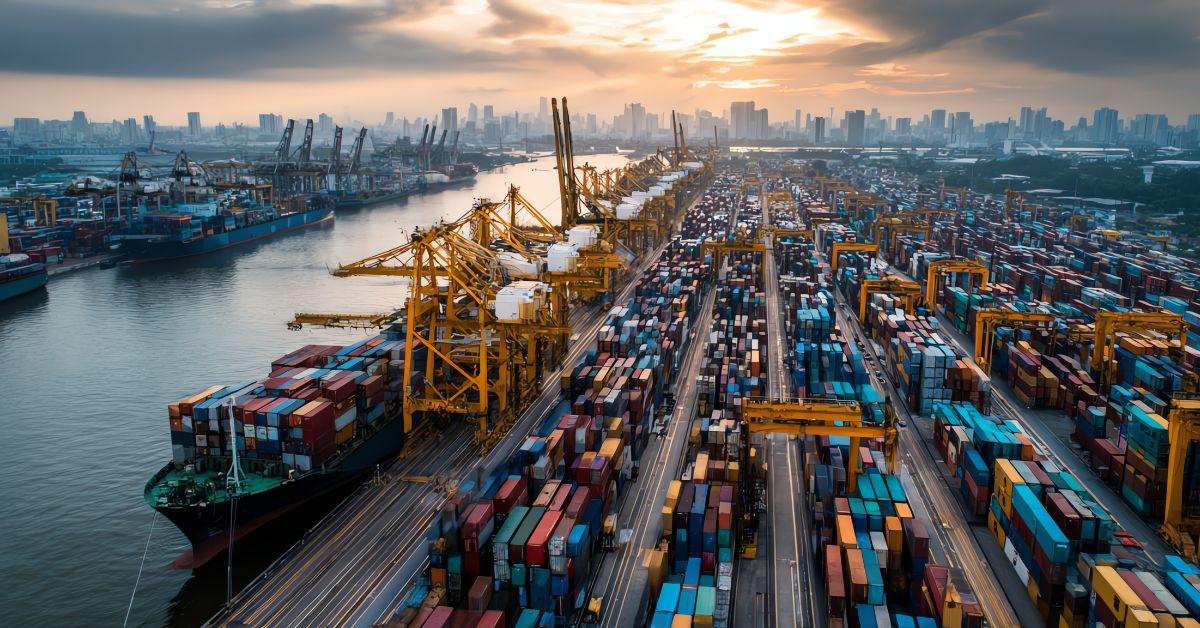
Supply Chain Visibility refers to the ability of an organization to track, monitor, and gain real-time insights into the movement of goods, data, and transactions across the entire supply chain. It provides a comprehensive view of supplier activities, inventory levels, logistics, and order status from sourcing to delivery.
This visibility is enabled through digital technologies such as data integration platforms, IoT sensors, analytics tools, and AI-driven systems that collect and analyze supply chain data. It allows organizations to detect disruptions, manage risks, and respond proactively to changes in demand or supply conditions.
By improving transparency and access to real-time information, supply chain visibility helps organizations enhance operational efficiency, reduce delays, improve supplier collaboration, and make more informed decisions.
Key Components of Supply Chain Visibility
Real-Time Tracking
- Monitoring goods as they move through the supply chain.
- Use of technologies like GPS, RFID, and IoT devices for tracking.
Data Integration
- Combining data from various sources (e.g., suppliers, manufacturers, logistics providers).
- Ensuring that information is accessible across different platforms.
Collaboration
- Working closely with partners along the supply chain.
- Sharing information transparently helps improve trust and coordination.
Analytics
- Analyzing collected data for insights into performance metrics.
- Identifying trends or potential issues before they escalate.
Customer Communication
- Keeping customers updated about their orders’ status.
- Providing transparency enhances customer satisfaction.
Importance of Supply Chain Visibility
Improved Decision-Making: With comprehensive data at hand, companies can make better strategic choices regarding inventory management, supplier selection, and logistics planning.
Risk Management: Enhanced visibility allows businesses to identify risks early—such as delays due to weather or supplier issues—and take proactive measures.
Cost Reduction: By optimizing operations based on real-time data analysis, organizations can reduce wasteful spending related to excess inventory or inefficient shipping practices.
Enhanced Customer Satisfaction: Customers appreciate knowing where their products are at any time during the order process; this builds loyalty and trust in a brand.
Technologies Supporting Supply Chain Visibility
Internet of Things (IoT) Devices
- Sensors that provide real-time updates on product conditions (e.g., temperature-sensitive items).
Blockchain Technology
- Enhances transparency by providing an immutable record of transactions throughout the supply chain.
Cloud Computing
- Facilitates easy access to shared data among stakeholders regardless of location.
Advanced Analytics Tools
- Software solutions that help analyze large volumes of data for actionable insights.
Challenges in Achieving Supply Chain Visibility
Despite its benefits, achieving full supply chain visibility presents several challenges:
Data Silos: Different departments may use various systems that do not communicate effectively with each other; this fragmentation makes it difficult to gather comprehensive data across the organization.
Complexity of Supply Chains: Globalization has made many supply chains exceedingly complex involving multiple players across different regions which complicates tracking efforts.
Technology Adoption: Implementing advanced technologies for SCV requires investment in new tools and training staff to use them effectively—a significant hurdle for some organizations.
Data Security Concerns: Sharing sensitive information among partners raises security concerns that must be addressed through robust cybersecurity measures.
Change Resistance: Employees accustomed to traditional ways of working may resist adopting new technologies or practices aimed at enhancing visibility due to fear of change or uncertainty about job roles.
In summary, understanding supply chain visibility is essential for any organization looking to thrive in today’s fast-paced business environment where agility is key! By recognizing both its significance along with potential hurdles one might face while implementing an effective strategy towards achieving greater transparency—you’ll set yourself up for success as you delve deeper into this fascinating subject matter!
Components of Supply Chain Visibility
Supply chain visibility (SCV) refers to the ability to track and monitor all aspects of a supply chain in real-time. This encompasses everything from raw materials to finished products, allowing businesses to gain insights into their operations and make informed decisions. To achieve effective SCV, there are several critical components that work together seamlessly. Understanding these components is essential for organizations looking to enhance their supply chain processes.
1. Data Collection
Overview:
Data collection is the foundational step in achieving supply chain visibility. It involves gathering information from various sources throughout the supply chain, including suppliers, manufacturers, distributors, and customers.
Practical Examples:
- RFID Tags: Many companies use Radio Frequency Identification (RFID) tags on products or pallets as they move through the supply chain. These tags can automatically collect data about location and status without manual input.
- Sensors: In industries such as food processing or pharmaceuticals, temperature sensors may be used during transportation to ensure that products remain within specified conditions.
2. Data Integration
Overview:
Once data has been collected from various sources, it needs to be integrated into a cohesive system where it can be accessed and analyzed effectively. Data integration ensures that disparate systems communicate with each other efficiently.
Practical Examples:
- Enterprise Resource Planning (ERP) Systems: Companies often implement ERP systems that consolidate data from different departments—such as inventory management, finance, and logistics—into one unified platform.
- API Connections: Organizations might use Application Programming Interfaces (APIs) to connect different software solutions so they can share data seamlessly across platforms.
3. Data Analysis and Interpretation
Overview:
The final component focuses on analyzing the integrated data for actionable insights. This involves using analytical tools and techniques to interpret trends, patterns, and anomalies within the data collected.
Practical Examples:
- Predictive Analytics: By leveraging historical sales data alongside current market trends through advanced analytics tools like Tableau or Power BI, companies can forecast demand more accurately.
- Dashboards & Reporting Tools: Visual dashboards allow stakeholders at all levels of an organization—from warehouse managers to executives—to visualize key performance indicators (KPIs), making it easier for them to make timely decisions based on real-time information.
Each component of supply chain visibility plays a crucial role in ensuring that organizations have access to accurate information at every stage of their operations. Effective implementation of these components not only enhances operational efficiency but also leads to better risk management practices and improved customer satisfaction by providing transparency throughout the entire supply chain process. By understanding how these elements interact with one another, businesses can create strategies tailored toward maximizing their overall visibility capabilities in today’s complex marketplace.
Technologies Enabling Supply Chain Visibility
In today’s fast-paced business environment, supply chain visibility has become crucial for organizations to maintain competitiveness and efficiency. Various technologies play a vital role in enhancing this visibility by allowing companies to track and manage their supply chains effectively. Here’s an extensive overview of the key technologies that enable supply chain visibility:
1. Internet of Things (IoT)
The Internet of Things refers to the network of interconnected devices that communicate and exchange data over the internet. In supply chains, IoT devices such as sensors, RFID tags, and GPS trackers provide real-time data on inventory levels, shipment locations, temperature conditions during transport, and more.
Practical Example: A food distribution company uses IoT-enabled temperature sensors in its refrigerated trucks to monitor the temperature of perishable goods throughout transit. If temperatures rise above a certain threshold, alerts are sent out immediately so corrective actions can be taken before spoilage occurs.
2. Blockchain
Blockchain technology offers a decentralized ledger system that provides transparency and traceability across the entire supply chain. Each transaction or movement is recorded in a way that cannot be altered retroactively. This ensures authenticity and helps reduce fraud.
Practical Example: A luxury goods manufacturer employs blockchain to verify the authenticity of its products from raw material sourcing through production to retail sale. Consumers can scan QR codes on items to view their entire history on the blockchain, providing assurance about quality and origin.
3. Artificial Intelligence (AI) and Machine Learning
AI algorithms analyze vast amounts of data collected from various sources within the supply chain to identify patterns, forecast demand accurately, optimize inventory levels, and enhance decision-making processes.
Practical Example: An e-commerce retailer leverages AI-driven analytics tools that predict which products will be in high demand based on historical sales data combined with current market trends. This allows them to adjust their stock levels proactively rather than reactively.
4. Cloud Computing
Cloud computing enables organizations to store large volumes of data securely while providing access from anywhere at any time via internet connectivity. It facilitates collaboration among stakeholders by ensuring everyone has access to up-to-date information about inventory status or order processing.
Practical Example: A multinational corporation utilizes cloud-based software for managing its global suppliers’ networks; this allows teams located in different parts of the world access critical information simultaneously—ensuring seamless communication regarding orders or potential delays.
These technologies collectively contribute significantly toward achieving enhanced supply chain visibility, enabling businesses not only improved operational efficiencies but also better risk management strategies while ultimately leading towards higher customer satisfaction rates through timely deliveries aligned with expectations.
Strategies for Enhancing Supply Chain Visibility
Enhancing supply chain visibility is crucial for organizations looking to improve efficiency, reduce costs, and better serve their customers. This involves implementing strategies that ensure all stakeholders have access to accurate and timely information about the flow of goods and services. Here’s an extensive overview of effective strategies:
1. Collaborative Planning and Forecasting
Overview:
This strategy emphasizes the importance of collaboration among various stakeholders in the supply chain, including suppliers, manufacturers, distributors, and retailers. By sharing data on demand forecasts and inventory levels, businesses can make informed decisions.
Practical Example:
A clothing retailer collaborates with its suppliers by sharing sales data from previous seasons. This allows suppliers to anticipate demand more accurately for upcoming collections, leading to optimized production schedules and reduced excess inventory.
2. Real-time Tracking and Monitoring
Overview:
Implementing real-time tracking systems enables companies to monitor shipments throughout the entire supply chain process. These systems often utilize GPS technology or RFID tags to provide updates on product location and condition.
Practical Example:
A logistics company uses IoT devices attached to shipping containers that send real-time updates regarding temperature conditions during transport (important for perishable goods). If a container experiences temperature fluctuations outside acceptable ranges, immediate corrective actions can be taken before spoilage occurs.
3. Supplier Relationship Management (SRM)
Overview:
Building strong relationships with suppliers fosters open communication channels which are essential for maintaining visibility across the supply chain. SRM focuses on collaboration rather than mere transactional interactions.
Practical Example:
An automotive manufacturer holds regular meetings with key parts suppliers to discuss production schedules, quality issues, or potential delays in delivery times. This proactive approach helps both parties address problems before they escalate into significant disruptions.
4. Integrated Technology Solutions
Overview:
Utilizing integrated technology solutions such as Enterprise Resource Planning (ERP) systems allows different departments within an organization (like procurement, manufacturing, logistics) to share information seamlessly.
Practical Example:
A food processing company implements an ERP system that integrates data from procurement through distribution channels so everyone has access to real-time stock levels across warehouses—allowing them to respond quickly when certain items need replenishing or adjusting orders based on changing consumer preferences.
5. Data Analytics
Overview:
Leveraging advanced analytics tools provides insights into patterns within supply chain operations—enabling companies not only reactively but also proactively manage their processes based on predictive insights derived from historical data analysis.
Practical Example: A pharmaceutical company analyzes past sales trends alongside seasonal influences using machine learning algorithms; this helps forecast future demands accurately while optimizing inventory levels accordingly—reducing waste while ensuring availability when needed most critically during health crises like pandemics.
Conclusion
Enhancing supply chain visibility requires a multifaceted approach involving strategic collaboration among partners in addition leveraging modern technologies effectively while utilizing analytical capabilities intelligently—all aimed at creating transparency throughout operations leading ultimately towards improved customer satisfaction along with operational efficiencies!
Impact of Supply Chain Visibility
Supply chain visibility (SCV) refers to the ability to track products, inventory, and information throughout the entire supply chain. This concept is crucial for businesses that want to optimize their operations, enhance customer satisfaction, and manage risks effectively. The impact of supply chain visibility can be analyzed through three primary lenses: operational efficiency, risk management, and customer satisfaction.
1. Operational Efficiency
Operational efficiency refers to how well a company utilizes its resources to produce goods or services while minimizing waste. Enhanced supply chain visibility leads to improved operational efficiency in several ways:
Inventory Management: With real-time data on stock levels across various locations, companies can avoid overstocking or stockouts. For example, a retailer using SCV tools can see which products are selling quickly and adjust orders accordingly.
Streamlined Processes: Visibility allows organizations to identify bottlenecks in their processes. For instance, if a manufacturer notices delays due to late shipments from suppliers through tracking systems, they can proactively address these issues by working closely with those suppliers.
Cost Reduction: By optimizing inventory levels and improving logistics planning through better insights into transportation routes and delivery times, businesses can reduce costs significantly.
2. Risk Management
In today’s complex global market, risks such as disruptions from natural disasters or geopolitical events are ever-present. Effective supply chain visibility helps organizations mitigate these risks:
Proactive Response: Companies with enhanced visibility can respond more swiftly when disruptions occur. For example, during a hurricane season in Florida, a beverage distributor might use SCV tools to reroute deliveries away from affected areas before problems arise.
Supplier Diversification: Understanding supplier performance metrics helps businesses identify potential weaknesses within their supply chains. If one supplier consistently underperforms based on visible data trends—like delayed shipments—a firm may choose to diversify its supplier base as a precautionary measure.
Compliance Tracking: In industries like pharmaceuticals or food production where regulatory compliance is critical, having end-to-end visibility enables firms to ensure adherence at every stage of production and distribution.
3. Customer Satisfaction
Customer satisfaction hinges on delivering quality products promptly while maintaining transparency about order status:
Timely Deliveries: When customers have access to tracking information about their orders via an online portal or app—such as knowing exactly when their package will arrive—they feel more satisfied with the service provided.
Personalized Experiences: With insights gained from customer preferences tracked over time (e.g., purchase history), companies can tailor marketing efforts or product recommendations that resonate better with individual consumers’ needs.
Responsive Customer Service: A transparent view into the supply chain allows customer service representatives access to accurate information regarding order statuses and potential delays; this empowers them with knowledge needed for timely communication with customers who inquire about their orders.
The impact of supply chain visibility extends far beyond simply knowing where items are located at any given moment; it fundamentally transforms how organizations operate across multiple dimensions—from enhancing operational efficiencies that reduce costs and improve margins—to managing risks proactively while simultaneously elevating customer experiences leading towards greater loyalty and satisfaction in today’s competitive marketplace. By leveraging technology-driven solutions for increased visibility within their supply chains—companies position themselves not just for survival—but also for sustained growth in an ever-evolving business landscape.
Future Trends in Supply Chain Visibility
As businesses navigate an increasingly complex and dynamic global market, the future of supply chain visibility is being shaped by several emerging trends. These trends are driven by advancements in technology, changing consumer expectations, evolving business models, and growing regulatory requirements. Understanding these trends can help organizations prepare for the challenges ahead and leverage opportunities to enhance their supply chains.
1. Emerging Technologies
New technologies are revolutionizing how companies achieve visibility across their supply chains. Some key technologies include:
Internet of Things (IoT): IoT devices enable real-time tracking of goods as they move through the supply chain. For instance, RFID tags on pallets allow companies to monitor inventory levels accurately and reduce stockouts.
Blockchain: This decentralized ledger technology enhances transparency by providing a secure way to record transactions between parties involved in the supply chain. An example is Walmart leveraging blockchain to trace food products from farm to store shelves quickly.
Artificial Intelligence (AI) and Machine Learning: AI algorithms analyze vast amounts of data from various sources within the supply chain, enabling predictive analytics that improve decision-making processes. For example, companies like Amazon use AI for demand forecasting based on customer behavior patterns.
Cloud Computing: Cloud platforms facilitate seamless data sharing among stakeholders in a supply chain network. Companies can access real-time data regardless of location, enhancing collaboration and responsiveness.
2. Evolving Business Models
The shift towards more agile and responsive business models is another trend impacting supply chain visibility:
Direct-to-Consumer (DTC): Brands are increasingly selling directly to consumers rather than relying solely on traditional retail channels. This model requires enhanced visibility into inventory management so that brands can meet customer demands efficiently.
Subscription Services: Businesses offering subscription-based services need robust visibility mechanisms to ensure timely delivery of products or services continuously.
3. Regulatory and Ethical Considerations
As governments worldwide impose stricter regulations regarding sustainability, labor practices, and product safety:
Companies must develop transparent reporting systems that provide insights into their sourcing practices and environmental impact.
For instance, fashion brands may be required to disclose information about where their materials come from or how they treat workers in their factories—creating a demand for improved traceability throughout the entire supply chain.
4. Sustainability Focus
With increasing awareness around climate change:
Organizations are focusing on sustainable practices such as reducing carbon footprints through optimized logistics routes or investing in eco-friendly packaging solutions.
Supply chains will need enhanced visibility tools that track carbon emissions at each stage—from production through transportation—to meet both corporate social responsibility goals and consumer expectations for sustainability.
Practical Examples
Maersk’s Remote Container Management System: Maersk has implemented IoT-enabled containers that provide temperature monitoring along with GPS tracking capabilities which allow shippers immediate insight into container conditions while en route—enhancing overall shipment reliability.
Unilever’s Sustainable Living Plan: Unilever aims for full transparency across its value chain by using digital tools that help them monitor suppliers’ adherence to ethical standards while also ensuring compliance with environmental regulations—all visible via cloud-based dashboards accessible by relevant stakeholders.
Zara’s Fast Fashion Model: Zara utilizes advanced analytics combined with real-time sales data collected from stores globally; this enables rapid design iterations based on current trends while maintaining high levels of inventory accuracy—a clear demonstration of effective application toward achieving greater visibility within its operations.
In summary, future trends in supply chain visibility indicate a significant shift towards leveraging advanced technologies alongside adapting business models focused on agility & sustainability amid rising regulatory scrutiny—ultimately transforming how organizations operate within an interconnected world economy.
Frequently Asked Questions on Supply Chain Visibility.
1. What is supply chain visibility?
Supply chain visibility is the ability to track and monitor goods, inventory, and supplier activities across the supply chain in real time, enabling better decision-making and transparency.
2. Why is supply chain visibility important?
Supply chain visibility is important because it helps organizations detect disruptions, reduce risks, improve efficiency, and respond quickly to changes in supply and demand.
3. What are the benefits of supply chain visibility?
Benefits include improved transparency, better inventory management, faster decision-making, reduced delays, enhanced supplier collaboration, and lower operational risks.
4. How does supply chain visibility work?
It works by integrating data from multiple sources such as suppliers, logistics providers, and internal systems, providing real-time insights through analytics and dashboards.
5. What technologies enable supply chain visibility?
Technologies include AI, IoT, cloud platforms, data analytics, and supply chain management software that provide real-time tracking and insights.
6. What is end-to-end supply chain visibility?
End-to-end supply chain visibility refers to having complete visibility across all stages of the supply chain, from raw material sourcing to final product delivery.
7. What challenges are associated with supply chain visibility?
Challenges include data silos, lack of integration, poor data quality, limited supplier transparency, and high implementation costs.
8. How does supply chain visibility reduce risk?
It helps identify potential disruptions, delays, or supplier issues early, allowing organizations to take proactive measures and minimize impact.
9. How can companies improve supply chain visibility?
Companies can improve visibility by integrating systems, adopting digital tools, collaborating with suppliers, and leveraging real-time data analytics.
10. What is the difference between supply chain visibility and transparency?
Visibility focuses on real-time tracking and data access, while transparency refers to openness and sharing of information across stakeholders.
11. Can supply chain visibility be automated?
Yes, modern platforms automate data collection, tracking, and analysis, providing continuous real-time insights without manual intervention.
12. Which industries benefit most from supply chain visibility?
Industries such as manufacturing, retail, healthcare, logistics, and e-commerce benefit significantly from improved supply chain visibility.