Vitesse Catalogs
Keep everyday buying with approved suppliers, at pre-negotiated rates.
Vitesse Catalogs turn your most frequent tail purchases into on-contract buying, so repeat spend flows to approved suppliers at pre-negotiated rates, whether Simfoni negotiates them for you or brings an existing catalog.

The problem
Retail prices for wholesale volume
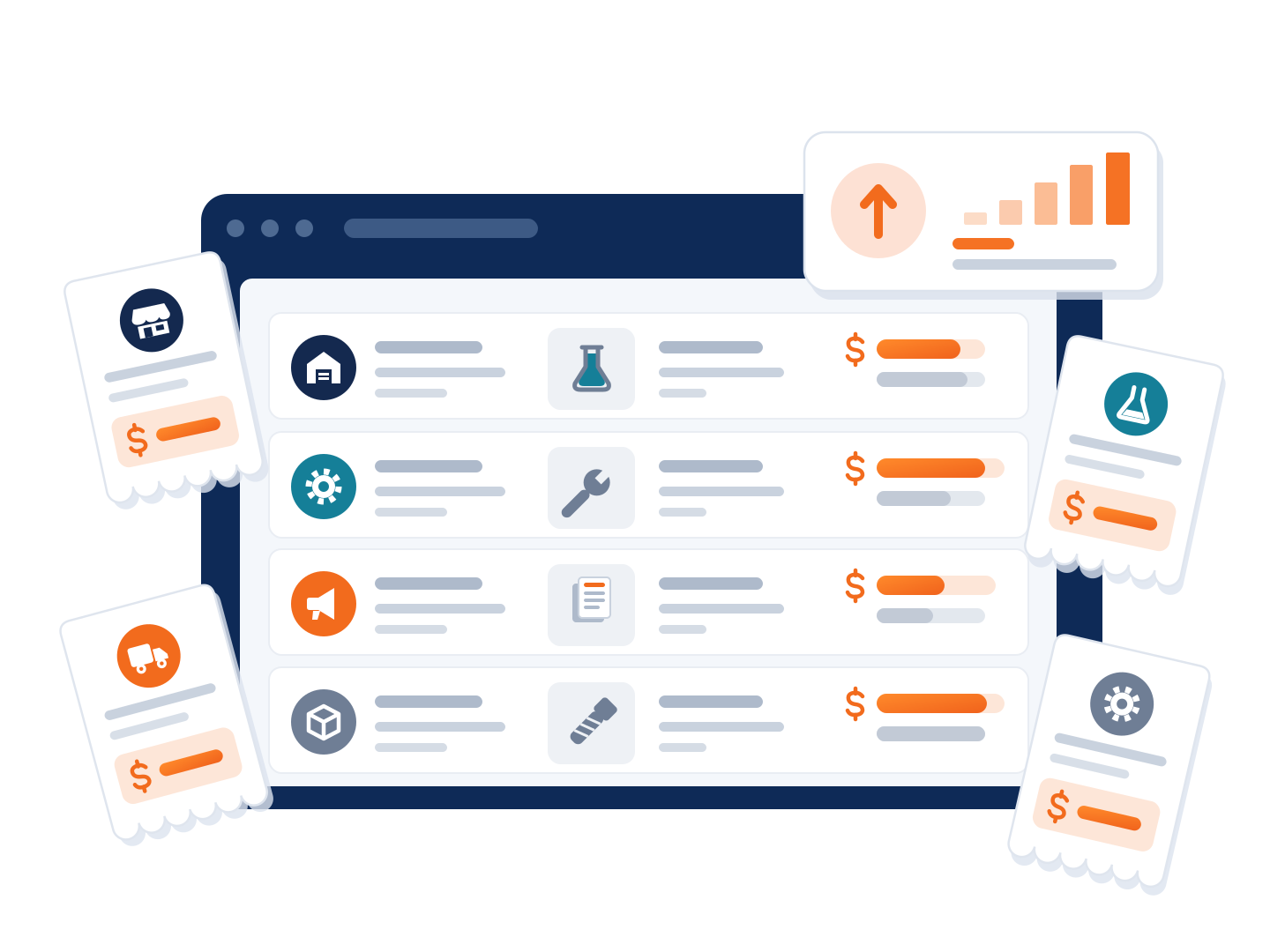
The same small purchases repeat constantly: lab supplies, site services, marketing materials, spare parts. Each time, an employee picks a vendor and pays whatever price is in front of them. Because that repeat spend has no repeat structure behind it, you buy at retail prices for volume you could be buying at wholesale, and you have no say in which suppliers your people use. Multiply that across thousands of purchases a year, and unmanaged repeat buying costs you twice: the money left on the table, and the control lost over who gets paid.
How it works
From repeat purchase to approved buying
01
Your spend data reveals the repeat buys.
Vitesse sees which items your people purchase again and again as spend flows through the One Vendor channel, classified across 200+ procurement categories.
02
Simfoni brings the rates, you approve the suppliers.
Simfoni either negotiates the catalog or brings an existing pre-negotiated one, often built on deals we have already struck, and nothing enters it without your sign-off.
03
Employees buy from the approved list.
Repeat purchases route to the approved suppliers at the catalog rate, so everyday buying stays on contract.
04
Every order lands at the negotiated rate.
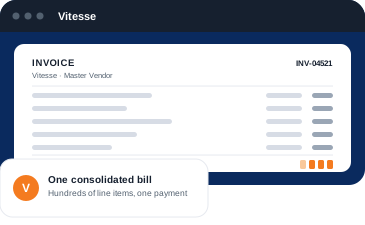
Catalog purchases flow through the single consolidated invoice at the rate set in the catalog.
Key benefits
Everything a catalog gives you
Buying stays on approved suppliers
Employees purchase only from suppliers you have approved for the catalog, so tail spend stops leaking to unknown or unapproved sources.
Wholesale pricing on repeat spend
Pre-negotiated rates, often secured through Simfoni's buying power, replace the retail prices employees would otherwise pay, and the discount applies automatically on every catalog order.
Controls that fit how you operate
Spend limits and approval rules are configurable by country, category, or vendor, so buying stays inside policy wherever your people work.
A vendor master that stays flat
Catalog vendors sit under the Vitesse master-vendor relationship, so your own vendor file does not grow by a single record.
Why it's different
Approved suppliers, before the money moves
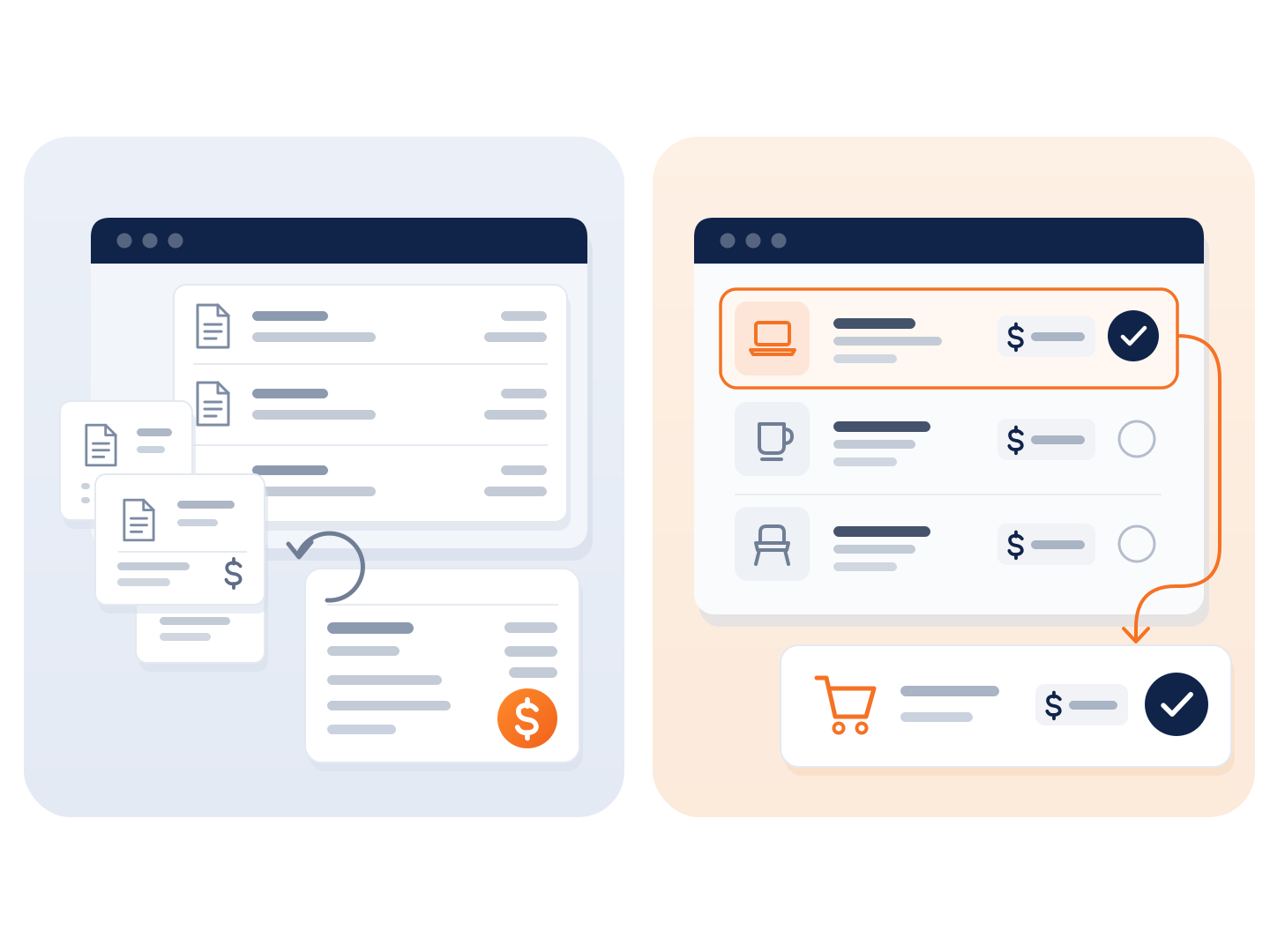
Payment-only consolidators tidy up invoices after a purchase is already made. Catalogs act earlier, shaping the purchase itself by steering it to approved suppliers at negotiated rates before any money is committed. Controlling the buy at the point of decision is how repeat spend becomes managed spend, on suppliers you approved and at rates already negotiated.
Every catalog compounds the effect. Repeat purchases move from spot-buy retail pricing to negotiated wholesale rates, and each one runs through a supplier you approved. Across Vitesse deployments, that steadily shrinks the number of active tail vendors your team has to manage.
FAQ
Common questions about Catalogs
Do we need a separate implementation for Catalogs?
No. Catalogs activate inside your existing Vitesse deployment as spend data reveals repeat patterns, so there is no new integration and no separate rollout.
Who decides what goes in the catalog?
You do. Simfoni recommends candidates based on your spend data and either negotiates the rates or brings an existing pre-negotiated catalog, and your team approves every catalog and every supplier.
How is catalog spend priced?
Catalog transactions carry a single transaction fee of 2% of managed spend. One fee per transaction, never stacked with other module fees.